

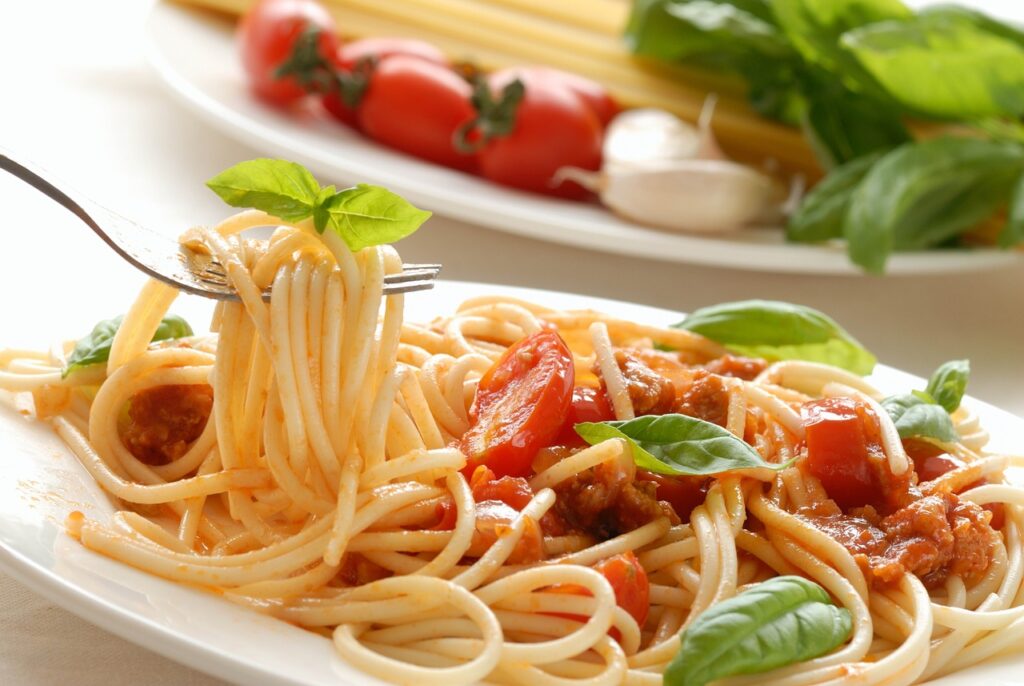
The Versatility of Pasta Sauce
Pasta sauce is far more than merely an accompaniment; it serves as the heart and soul of many Italian dishes, elevating plain pasta into a vibrant culinary experience. With an array of flavours ranging from zesty and tangy to rich and creamy, understanding the various types of pasta sauces can significantly enhance your cooking repertoire. Each sauce not only reflects a unique blend of ingredients but also pairs beautifully with specific pasta shapes, making the potential for culinary creativity nearly limitless. In this exploration of pasta sauces, we will delve into the diverse selections available, illuminating their individual characteristics, ideal pairings, and cooking tips to help you create authentic Italian flavours right in your kitchen.
Tomato-Based Sauces
The Classic Marinara
The classic tomato marinara sauce is a staple in Italian cuisine and arguably the most recognised pasta sauce worldwide. Constructed from ripened tomatoes, garlic, onion, and olive oil, marinara showcases the simplicity of quality ingredients. The sauce is cooked for a relatively short time, allowing the natural sweetness of the tomatoes to shine through. Fresh basil is often added for a fragrant herbaceous twist. This versatile sauce works exceptionally well with various pasta shapes. From spaghetti to penne, marinara lends itself beautifully to classic dishes such as spaghetti marinara and pasta alla marinara.
Rich Bolognese Sauce
Bolognese, or ragù alla bolognese, is a celebrated meat sauce originating from Bologna. Its foundation lies in a combination of minced beef and pork, slow-cooked with diced vegetables such as carrots, celery, and onion in a base of tomatoes and wine. The evolving cooking process is what distinguishes a genuine bolognese; it requires patience, simmering for hours to develop a deep, rich flavour. Traditionally served with tagliatelle or in lasagne, this hearty sauce is synonymous with comforting Italian home cooking. To make the sauce even more luxurious, a splash of cream or whole milk is added toward the end, rounding out the flavours beautifully.
Puttanesca Sauce
Puttanesca sauce is a vibrant and boisterous creation that captures the essence of Italian coastal cuisine. Its key ingredients include tomatoes, garlic, olives, capers, and anchovies, delivering a punchy, salty flavour profile. The sauce’s origins are far from glamorous, believed to have been created by Neapolitan sex workers looking for a quick dish between clients. Regardless of its backstory, puttanesca shines when paired with spaghetti or linguine, making for a satisfying and audacious meal. The combination of bold, umami-rich ingredients creates an unforgettable taste experience that’s both spicy and savoury.
Cream-Based Sauces
Creamy Alfredo Sauce
Originating in Rome, alfredo sauce is the epitome of indulgent pasta sauces. Known for its creamy texture, it comprises a heavenly blend of butter, heavy cream, and freshly grated Parmesan cheese. This richness pairs delightfully with fettucine in the classic dish, fettucine alfredo. The key to mastering alfredo is ensuring that the sauce does not reach boiling point, as this can lead to curdling. By gently heating the ingredients, you’ll achieve a luscious, velvety sauce that coats the pasta perfectly, making every bite feel like a warm embrace.
Carbonara: A Creamless Wonder
Contrary to popular belief, traditional Italian carbonara does not contain cream. Instead, it revolves around a rich emulsification of egg yolks, cheese (Pecorino Romano), pancetta or guanciale, and freshly cracked black pepper. The beauty of carbonara lies in its simplicity, relying on the quality of each ingredient. The heat from freshly cooked pasta gently cooks the egg mixture, resulting in a silky, rich sauce. Best paired with spaghetti or rigatoni, this dish showcases the art of Italian cooking, skilfully transforming the basics into something extraordinary.
Pesto Variations
Fresh Basil Pesto
Basil pesto is perhaps the most cherished of all pestos, famous for its vibrant green colour and bold flavour. It typically combines fresh basil leaves, garlic, pine nuts, Parmesan cheese, and high-quality olive oil. This no-cook sauce is incredibly versatile, making it an excellent topping for not only pasta but also pizzas, sandwiches, and salads. For a twist, consider substituting the basil with other herbs, such as parsley or cilantro, or for a nut-free version, swap pine nuts for seeds. This adaptability ensures that pesto remains a perennial favourite in the culinary world.
Sun-Dried Tomato Pesto
While traditional basil pesto is iconic, sun-dried tomato pesto offers an intriguing alternative. This sauce employs the sweet, concentrated flavours of sun-dried tomatoes, blended with olive oil, garlic, pine nuts, and sometimes even fresh herbs. The result is a richly flavoured condiment that works brilliantly as a pasta sauce, spread on sandwiches, or a dip for breads. Sun-dried tomato pesto embodies a more robust flavour and can be enhanced with a touch of red pepper flake for added zing. This sauce is a great way to bring a taste of the Mediterranean to your table.
Seafood Sauces
Rich Seafood Marinara
Seafood marinara combines the rich flavours of the sea with classic Italian cooking. This sauce typically features a variety of seafood, such as shrimp, mussels, and calamari, simmered in a garlicky tomato base. The key to a successful seafood marinara is the timing; delicate seafood should be added towards the end of cooking, ensuring it remains tender and succulent. Serve this sauce over linguine or spaghetti for a classic dish that highlights the fresh taste of the ocean. A squeeze of lemon juice just before serving accentuates the seafood flavours and adds a refreshing brightness.
Spicy Fra Diavolo Sauce
For those who crave a kick of heat, spicy fra diavolo sauce will be the perfect match. This sauce combines a traditional tomato base with a generous dash of red pepper flakes or fresh chillies. Often paired with shellfish, such as shrimp or lobster, fra diavolo delivers a perfect balance between spice and sweetness. Traditionally served with linguine, this sauce is ideal for seafood lovers seeking something with a bit more vibrancy. Experimenting with the spice levels enables you to tailor the dish to your preferred heat tolerance, ensuring every bite is a personal delight.
Vegetarian and Unique Sauces
Garden Vegetable Sauce
A garden vegetable sauce is an excellent option for those looking to increase their vegetable intake. Packed with seasonal vegetables – think zucchini, bell peppers, and eggplant – this sauce is not only colourful but also nutritionally dense. Whether using a tomato base or a light olive oil drizzle, garden vegetable sauce can be customised according to what’s in season, making it both versatile and sustainable. Pair it with whole-wheat pasta for a healthier twist, or serve it over gnocchi for a comforting, wholesome meal.
Smoky Roasted Red Pepper Sauce
Roasted red pepper sauce brings depth and complexity with its smoky undertones and sweet flavours. By blending roasted red peppers with garlic, onion, and cream, you create a silky sauce that complements many pasta shapes. This sauce can also work as a delightful topping for grilled meats or a base for vegetable dishes, showcasing its versatility beyond pasta. With its vibrant colour and rich flavour, roasted red pepper sauce is a true crowd-pleaser that is sure to impress at dinner parties or family meals.
Wrapping Up
As we have explored, the world of pasta sauces is indeed diverse, with each offering unique possibilities for flavour pairings and culinary creativity. From the classic notes of a marinara to the rich depths of a bolognese, or the elegant creaminess of an alfredo, each sauce contributes to the overall experience of Italian cuisine. Understanding these different types of pasta sauces allows not just for informed meal preparations but also excitement and experimentation in the kitchen. So, whether you’re hosting an elaborate dinner party or whipping up a quick weeknight meal, there’s a perfect pasta sauce waiting to complement your pasta for any occasion.
Dive into the world of pasta sauces and enjoy the journey through Italy’s culinary landscape right from your own home!
The most common types of pasta sauces include marinara, alfredo, carbonara, bolognese, and pesto, each offering unique flavours and textures.
You can create a delicious vegetarian pasta sauce using a base of tomatoes and adding plenty of seasonal vegetables, herbs, and spices for flavour.
Generally, thicker sauces like bolognese pair well with broader pasta shapes such as tagliatelle, while lighter sauces like pesto complement thin pastas like spaghetti.
Yes, most pasta sauces can be made in advance and stored in the refrigerator or freezer, allowing for easy weeknight dinners without fuss.
You can create a creamy texture without cream by using ingredients such as blended silken tofu, cashew cream, or a béchamel sauce for a lighter alternative.
