Introduction to Tequila
Tequila stands out as one of the most celebrated spirits in the world, cherished not only for its unique flavours but also for its deep roots in Mexican culture. Legitimately classified as a distilled beverage, tequila can only be made from the Blue Weber Agave, specifically grown in certain regions of Mexico. Unlike other spirits, tequilas evoke a strong sense of place, each bottle reflecting the characteristics of its origin. From the stunning blue agave fields that carpet the hills of Jalisco to the meticulous craftsmanship that goes into every bottle, tequila invites its enthusiasts on a journey rich with history and tradition.
The Mythical Origin: Pulque and Early Distillation
The intriguing history of tequila begins with the indigenous peoples of Mexico, who crafted a fermented drink known as pulque from the agave plant. Pulque, a milky and somewhat viscous beverage, played a vital role in spiritual and communal rituals, showcasing the plant’s significance long before European contact. According to legend, the origins of tequila were sparked by an extraordinary event: a bolt of lightning striking an agave plant, transforming its sap into the sacred drink pulque.
The modern history of tequila commenced in the 16th century when Spanish conquistadors arrived in Mexico and brought with them the knowledge of distillation. Early attempts to replicate the success of European liquors led to the creation of a stronger spirit derived from agave, which they dubbed “Mezcal Wine from Tequila.” Over time, this evolved into what we now know simply as tequila, a name that became synonymous with the town of Tequila, located in the heart of Jalisco.
The Birth of Regulatory Standards
Fast forward to the mid-20th century; as tequila gained popularity both in Mexico and abroad, the need for regulation arose. In 1944, the Mexican government took decisive action by establishing standards to safeguard the quality of this prestigious spirit. These regulations ensured that only agave spirits produced within specific regions could bear the name “tequila.” The protected designation of origin granted tequila a position as a globally recognised product, making it one of the cornerstones of Mexican heritage.
Among those pivotal in shaping the tequila industry is Don Julio González, an innovate distiller credited with refining production techniques and heightening tequila’s quality and reputation. Through his commitment to excellence, González laid the groundwork for the noble spirit we enjoy today, becoming a beacon for both aspiring producers and passionate consumers.
Regions of Production: The Five Tequila States
Tequila can only be cultivated in five main states of Mexico: Jalisco, Nayarit, Guanajuato, Michoacán, and Tamaulipas. Each region’s unique environmental conditions contribute to distinctive flavour profiles, setting them apart from one another. Among these, Jalisco takes precedence, being the heart of tequila production and home to hundreds of distilleries.
Notable for its mineral-rich soil, the highlands of Jalisco produce agaves that often exhibit a more complex and fruity flavour. Meanwhile, the lowlands yield plants that are more earthy and robust. This geographical diversity leads to a remarkable variety of tequilas, ensuring an enriching experience for aficionados keen on tasting the nuances of this iconic spirit.
The Agave Plant: A Quintessential Ingredient
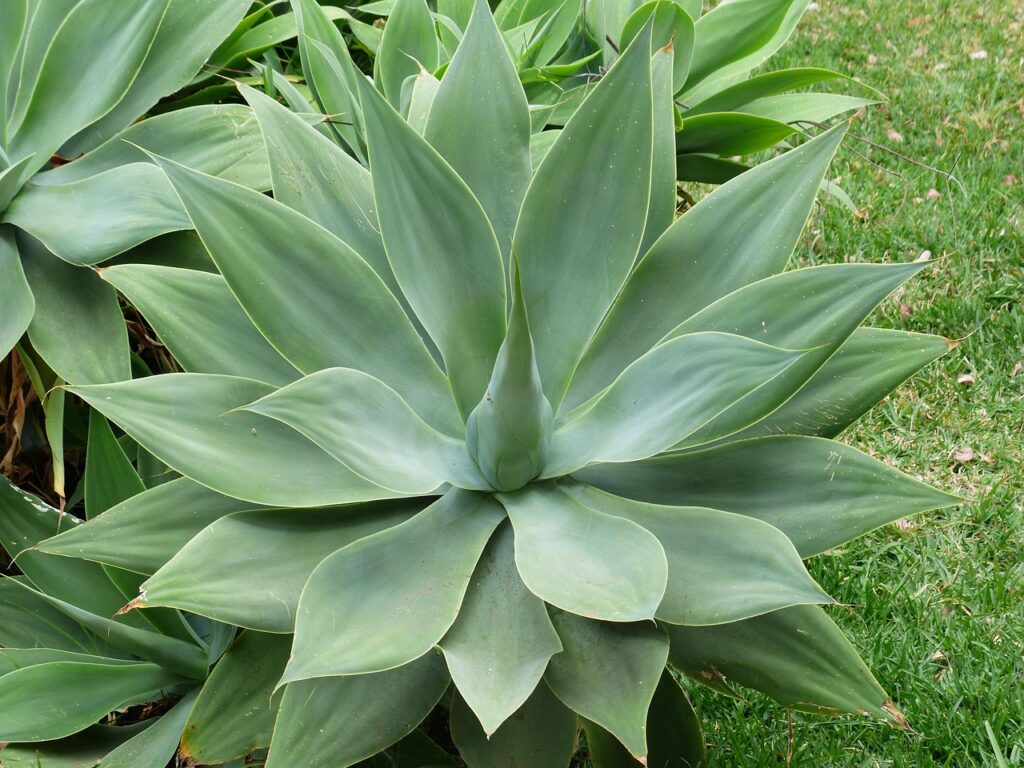
At the core of tequila’s identity lies the Blue Weber Agave, a plant that takes six to ten years to mature before it can be harvested for production. Each agave plant boasts a unique appearance, with long, pointed leaves and a large, piña (heart) at its centre, which can weigh up to 90 kilograms. The timing of the harvest is critical, as the sugar levels must be at their peak for optimal flavour extraction.
Once harvested, the piñas undergo a series of meticulous processes that transform them into the spirit we know and love. From cooking to fermentation, the journey of tequila production showcases the harmonious relationship between tradition and craftsmanship, honouring the agave plant at every stage.
The Eight Steps of Tequila Production
Producing tequila involves eight critical steps, each of which is essential to yield a quality spirit that retains the distinct character of the agave. This process begins with harvesting the piñas, which are meticulously cut from the plant before being baked in traditional stone or industrial ovens. Cooking breaks down the complex sugars in the piñas, allowing for the enzymatic reactions necessary for fermentation.
Once cooked, the piñas are shredded to extract the juice, which is then fermented in large vats. Fermentation can take several days, during which time the natural yeasts convert sugars into alcohol. After fermentation, the liquid results in a low-alcohol mash that must undergo distillation. Many producers opt for a double distillation process, producing a smoother and purer spirit, ready for aging or bottling.
Understanding the Distillation Process
The distillation of tequila is where the magic truly happens. Utilising either pot stills or column stills, this process separates the alcohol from water and other impurities, concentrating the flavours of the agave. The first distillation, known as “destrozamiento” or “destilling the must,” yields a product referred to as “ordinario,” which typically has an alcohol content between 20-30% ABV.
The secundo distillation, or “rectification,” follows, which refines the spirit further, raising the ABV to approximately 35-55% depending on the desired end product. This careful distillation process is fundamental in defining the character of each tequila, resulting in a spirit that may be bold, smooth, or somewhere in between.
Aging Tequila: The Role of Oak Barrels
Tequila can be enjoyed in various forms, and its classification is heavily influenced by the aging process. The primary styles of tequila include Blanco, Joven, Reposado, Añejo, and Muy Añejo, each delineating the duration and method of aging. For example, Blanco, often unaged or aged for a maximum of 60 days, showcases bright, vegetal notes of the agave itself.
Reposado, on the other hand, is aged for a minimum of 60 days to a year in oak barrels, where it absorbs qualities from the wood, resulting in a mellower, richer flavour profile with hints of caramel and vanilla. Añejo tequila, aged for a minimum of one year, explores deeper flavours with more pronounced oak characteristics, while Muy Añejo, aged for over three years, offers a luxurious sipping experience, where the balance of wood and agave is exceptionally refined.
Diverse Types of Tequila Explained
The varying styles of tequila cater to different palates and occasions, making the spirit incredibly versatile for enjoying in myriad ways. Blanco tequila is often the foundation of many cocktails, cherished for its vibrant and fresh agave flavour. Joven tequila, which can include additional flavours or be a blend of other types, provides a rounded profile that works well in cocktails or as a stand-alone spirit.
As we transition to aged varieties, Reposado presents a sophisticated option for enthusiasts who enjoy the intersection of agave and oak, while Añejo tequilas cater to those who appreciate complexity and depth in flavour. Muy Añejo, on the other hand, often finds its place in luxurious sipping experiences, showcasing the intricate nuances that can develop through extended aging.
Exploring Other Agave Spirits
While tequila reigns supreme, it exists alongside an array of other distinguished agave spirits, each celebrated for their unique characteristics and production methods. Among these are mezcal, raicilla, sotol, and bacanora, each linked to specific regions and cultural practices within Mexico.
Mezcal, for instance, can be derived from a variety of agave species and often features a smoky flavour due to traditional cooking methods using earthen pits. Raicilla, distilling mainly from the agave angustifolia, hails from Jalisco’s mountainous terrain, providing a distinctive taste profile that often outshines common perceptions about traditional tequila.
Similarly, sotol, produced from the desert spoon plant, and bacanora, made from agave pacifica, showcase the imperfect yet vibrant character that arises from regional versatility. Each spirit tells a story of its origins, demonstrating the rich cultural heritage of México while inviting enthusiasts to explore, taste, and appreciate.
The Craft of Tequila Tasting
Experiencing tequila can be a profound sensory journey, and learning how to taste it properly enhances this adventure immensely. An effective tasting usually commences with a visual examination, where the clarity and brilliance of the tequila are observed. The next step involves swirling the glass gently to release aromas and sniffing to identify various scents—lush agave, subtle vanilla, or earthy oak may arise.
When it comes to tasting, allowing the spirit to coat the palate provides a fuller understanding of each note, from initial sweetness to lasting finish. Thoughtful pairings with food—such as fresh ceviche or spicy salsas—can elevate both the spirits and the dishes, creating a harmonious culinary experience. Tequila tasting events have gained in popularity, encouraging enthusiasts to come together, learn from experts, and celebrate the diversity of flavours found within their favourite agave-based spirits.
Conclusion: The Legacy of Tequila
Tequila stands not only as a delightful spirit but also as a cultural phenomenon that encapsulates the rich heritage of Mexico. From its ancient roots in pulque to the highly refined products of today’s distilleries, tequila weaves a tale of tradition, innovation, and creativity. As the world becomes more familiar with its nuances, enthusiasts and newcomers alike are invited to explore the multifaceted nature of this vibrant spirit. Sipping tequila is more than enjoying a drink; it is embracing a narrative that embodies the spirit of Mexico itself.
Tequila is exclusively made from the Blue Weber Agave, a plant that must be harvested at maturity, typically after six to ten years.
The main types of tequila include Blanco, Joven, Reposado, Añejo, and Muy Añejo, each varying in ageing duration and characteristics.
Tequila must be produced in certain regions of Mexico, predominantly in Jalisco, but also in Nayarit, Guanajuato, Michoacán, and Tamaulipas.
Tequila is aged in oak barrels, with Blanco aged up to 60 days, Reposado from 60 days to 1 year, Añejo for a minimum of 1 year, and Muy Añejo for over 3 years.
While both are agave spirits, mezcal can be made from various agave species and typically features a smoky flavour from being cooked in earthen pits.
Tequila tasting involves observing its clarity, swirling the glass to release aromas, and letting the spirit coat the palate to appreciate various flavour notes.
Regulations ensure quality and authenticity by allowing only agave spirits produced in specific regions to be labeled as tequila, protecting its cultural significance.