
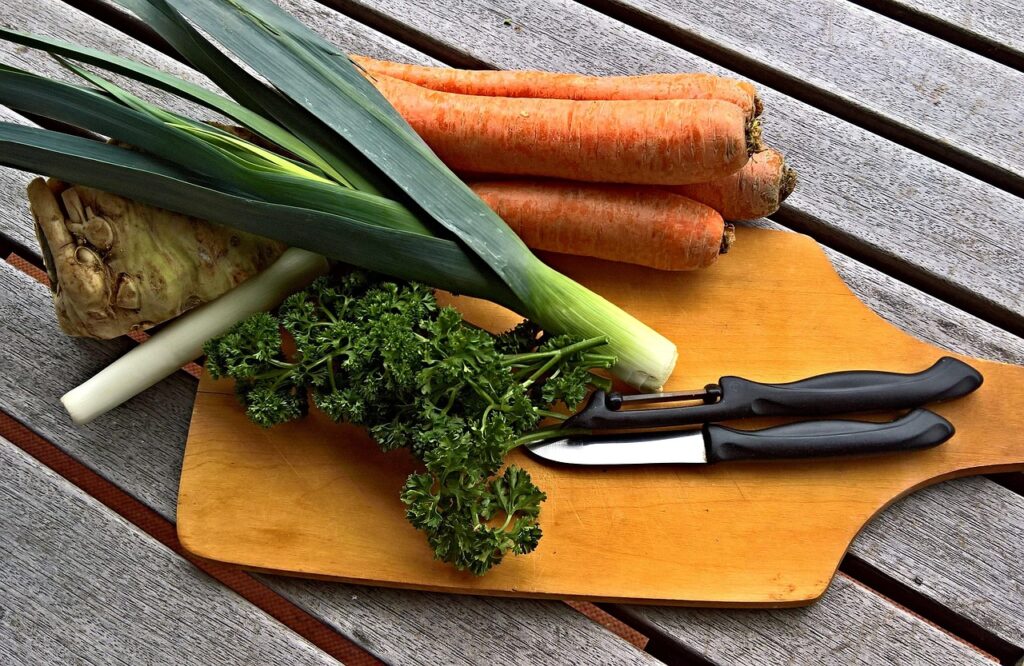
Understanding Aromatic Bases in Cooking
Aromatic bases are the backbone of many dishes in culinary practice, forming the essential flavour foundation upon which various recipes build. These bases are typically made up of a combination of aromatic vegetables, herbs, and spices, each contributing its distinctive profile to the overall dish. In this exploration, we will dive deeper into some of the most commonly used aromatic bases, including mirepoix, sofrito, and other variations from different culinary traditions around the world. By understanding how to use these flavour-building techniques, you can enhance your cooking with richer, more vibrant dishes that tantalise the taste buds.
What is Mirepoix?
Mirepoix is perhaps one of the most recognised aromatic bases in European cuisine, especially in French culinary traditions. It consists primarily of a finely diced mix of onions, carrots, and celery, typically in a ratio of 2:1:1. This combination not only provides a subtle sweetness from the onions and carrots but also a fragrant earthiness from the celery. When sautéed at the start of cooking, mirepoix releases its natural flavours and aromas, creating a rich base for soups, stews, sauces, and braises.
The origin of the term mirepoix can be traced back to a French nobleman, Charles-Pierre, marquis de Mirepoix, who was known for his love of cooking in the 18th century. The technique of using mirepoix is not limited to French cuisine; variations can be found in many other culinary traditions, each tailoring the base ingredients to suit local tastes.
How to Properly Prepare Mirepoix
To effectively create a mirepoix, begin by selecting high-quality, fresh vegetables. Wash and peel the carrots, and chop them into small, uniform pieces, ensuring they are roughly the same size as the diced celery. The onions should also be diced finely to allow them to cook evenly. The key to unlocking the theatre of flavours within mirepoix is in the sautéing process: a gentle cook over medium heat with a splash of oil until they become soft and translucent, about 5 to 10 minutes.
Sautéing these vegetables allows their natural sugars to caramelise slightly, thus enhancing the depth of flavour in your dish. Remember that while mirepoix is a fantastic base for many recipes, its cooking time and method should be adapted according to the particular dish you are preparing. For example, if you are making a quick soup, a shorter sauté may suffice, while a longer cook could be perfect for a hearty stew.
The Role of Sofrito in Cooking
Sofrito is a flavour-packed mixture that offers a distinct twist compared to mirepoix. Originating from Mediterranean cultures and also prevalent in Latin American cuisines, sofrito typically features a combination of onions, garlic, peppers, and tomatoes, finely chopped and sautéed together. This aromatic base is often spiced with herbs such as oregano and spices including cumin, providing a warming and vibrant flavour profile that elevates a wide range of dishes, from rice and beans to stews and sauces.
The beauty of sofrito lies in its versatility – depending on cultural variations, some kitchens may use green bell peppers, while others might opt for more piquant options like jalapenos or even herbs like coriander for a zestier kick. In many Latin homes, sofrito serves as the flavour anchor in favourite family recipes and comes together with ease, making it a staple in countless kitchens.
Crafting Your Own Sofrito
Creating a delicious sofrito is relatively straightforward, and it can be adjusted according to personal tastes or what ingredients you have on hand. Start by finely chopping 1 onion, 3 cloves of garlic, 1 bell pepper, and 1 medium tomato. Heat some olive oil in a pan over medium heat and add the onion and garlic. Sauté until the onion becomes translucent, approximately 3-4 minutes, then add the bell pepper and tomato. Allow this mixture to cook for an additional 5-10 minutes, stirring until the vegetables break down and meld into a cohesive sauce.
Adding spices during this process personalises the sofrito to complement your dish. For a traditional Puerto Rican sofrito, incorporating herbs such as cilantro and culantro can create a fresh, zesty final product. Once prepared, sofrito can be stored in the refrigerator for up to a week or frozen for longer preservation, ensuring you always have this flavour-enhancing base on hand.
Other Regional Aromatic Bases
Beyond mirepoix and sofrito, there is a world of aromatic bases to explore, reflecting the rich tapestry of global cuisines. Each region has developed its unique flavour foundations that serve to elevate traditional recipes, often combining local ingredients and cooking traditions. For instance, the Italian battuto consists of a mix of onion, carrot, and parsley, finely chopped and often used for sauces and risottos. In Asian cooking, the combination of garlic, ginger, and scallions provides aromatic depth to stir-fries and broths.
Similarly, the Spanish base known as pisto combines tomatoes, peppers, and zucchini, often simmered together to create a hearty vegetable stew. This adaptability showcases the importance of aromatic bases in imparting distinct flavour profiles and reflects the diverse culinary landscape across cultures.
Utilising Aromatics in Everyday Cooking
Mastering the preparation of aromatic bases can significantly elevate your everyday cooking. These flavour enhancers are not only simple to prepare but also cost-effective, helping you make the most of your ingredients. Introducing a well-cooked mirepoix or sofrito at the start of a recipe can be transformative, allowing you to build depth and richness throughout the dish.
When making soups, for example, ensure you begin with a base of mirepoix or sofrito, giving the broth a robust, lively character. The incorporation of these aromatic foundations in sauces can also help thicken the consistency and enhance overall flavour, making your meals more satisfying. Moreover, experimenting with your variations can lead to exciting new culinary discoveries, as swapping ingredients to create a personalised touch adds creativity and makes cooking enjoyable.
Conclusion: Bringing Aromatic Bases into Your Kitchen
In essence, aromatic bases such as mirepoix, sofrito, and their regional counterparts are essential elements of flavour in cooking. They serve as the foundation upon which many beloved dishes are built, allowing home cooks and culinary professionals alike to touch upon the more profound boldness of flavour. By familiarising yourself with these combinations and mastering their preparation, you can unleash the full potential of your culinary prowess, crafting dishes that resonate with rich and harmonious flavours.
As you experiment with these bases in your own cooking, remember that each has its unique flavour signature, ready for you to explore. So go forth and transform your meals into masterpieces that reflect your individuality while paying homage to age-old cooking traditions that bind cultures together.
Aromatic bases are foundational mixtures of vegetables, herbs, and spices that create depth of flavour in dishes. Common examples include mirepoix and sofrito.
To make mirepoix, finely dice onions, carrots, and celery in a 2:1:1 ratio and sauté them together until softened and fragrant, typically for 5 to 10 minutes.
Sofrito traditionally contains onions, garlic, bell peppers, and tomatoes, often seasoned with herbs and spices. It varies by region with additional ingredients.
Yes, sofrito can be stored in the refrigerator for up to a week or frozen in portions for longer preservation, making it convenient to use in future dishes.
Yes, many regional variations exist, such as Italian battuto, Spanish pisto, and Asian combinations of garlic, ginger, and scallions, each adding unique flavours to dishes.