Understanding Baby Back Ribs
Baby back ribs, also known as loin ribs, come from the top part of the pig’s ribcage, located near the spine. These ribs are shorter than spare ribs but are prized for their tenderness and flavour. Typically weighing between two to three pounds, baby back ribs can be distinguished by their curved shape and lean meat, which provides a juicy texture when properly cooked. Their leanness requires careful preparation to prevent drying out during cooking, making them an ideal candidate for methods that incorporate moisture and flavour, such as marinating, slow cooking, or glazing. Emphasising the right blend of spices and the appropriate cooking time ensures that these ribs yield an exquisite, tender product that melts in your mouth.
The Importance of a Quality Spice Rub
A well-crafted spice rub is essential for enhancing the natural flavours of baby back ribs. The foundation of a good rub typically includes a blend of salt, sugar, and various spices that can be adjusted to taste. For example, a mixture might feature paprika for smokiness, black pepper for kick, garlic powder for depth, and brown sugar for sweetness. This combination not only seasons the meat but also creates a delightful crust during cooking. Grinding your spices fresh can significantly impact the final flavour profile, delivering a robust smokiness that ready-made mixes lack. It’s advisable to apply the rub generously, ensuring that every crevice is covered, to achieve maximum flavour infusion.
Marinating: The Key to Juicy Ribs
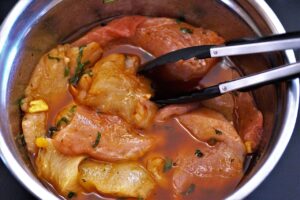
Marinating baby back ribs is a simple technique that can vastly enhance their tenderness and depth of flavour. By combining your spice rub with a marinade that includes acids like vinegar, citrus juice, or even mustard, you can help break down the muscle fibres in the meat, resulting in a more succulent outcome. A good rule of thumb is to marinate the ribs for at least four hours, although overnight marinating is ideal for maximum flavour absorption. This not only allows the spices to penetrate deeply into the meat but also creates a beautiful base for the glaze that will be applied later in the cooking process. It’s recommended to wrap the marinated ribs in plastic wrap and refrigerate them to develop the flavours adequately.
Preparing Your Oven for Perfect Cooking
Before you start cooking your baby back ribs, it’s crucial to prepare your oven correctly. Preheat your oven to around 150-160°C (300-325°F), allowing for a low and slow cooking method that promotes tenderness. Using a baking sheet lined with aluminium foil can aid in easy clean-up, while a wire rack placed above the tray will allow for better air circulation and even cooking. This setup mimics the smokehouse environment, trapping heat and moisture, ultimately creating the melt-in-your-mouth texture that is the hallmark of perfectly cooked ribs. Optionally, you can add a small pan of water in the oven to create humidity, further enhancing the smokiness of your ribs.
Cooking Techniques for Baby Back Ribs
When it comes to cooking baby back ribs in the oven, there are several techniques to consider, each contributing unique flavours and textures. One popular method is to use the “low and slow” technique, where ribs are cooked at a low temperature for an extended period. This method allows the collagen in the meat to break down gradually, yielding a tender result. Alternatively, for those wishing for a quicker approach, increasing the oven temperature to around 180-200°C (350-400°F) can still produce enjoyable results, albeit with less time for the flavours to develop. Regardless of the cooking technique chosen, it’s essential to monitor the ribs closely, ensuring you rotate them halfway through cooking for even browning.
Creating the Perfect Barbecue Glaze
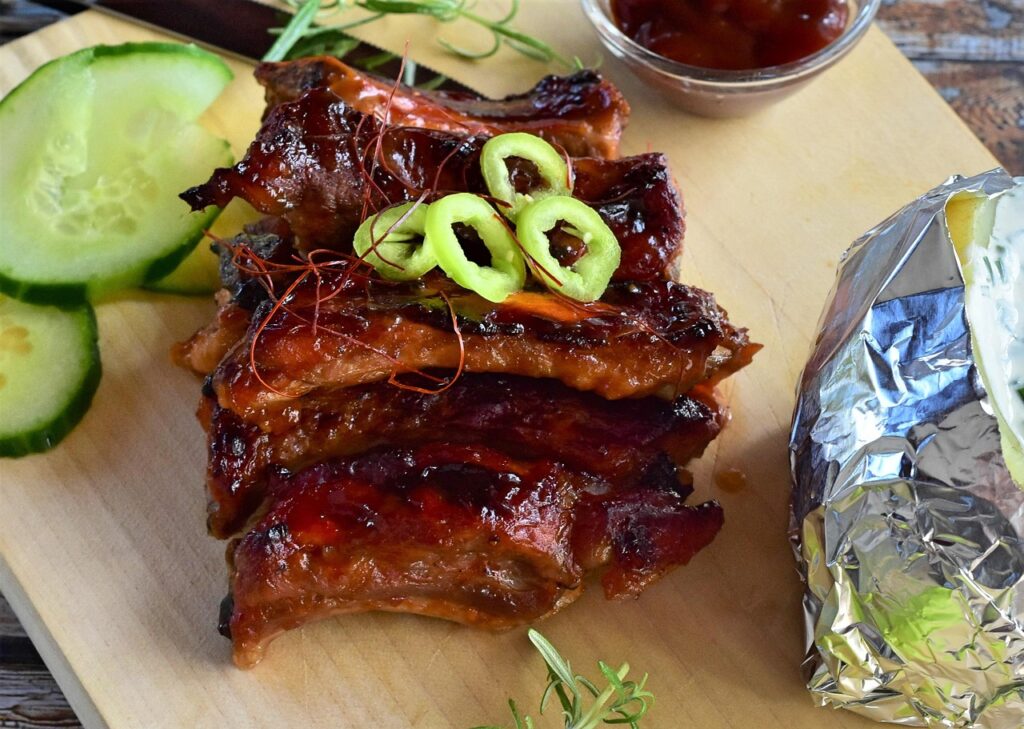
A sticky barbecue glaze is the final flourish that brings your baby back ribs to the next level. This glaze is often a combination of sweet and tangy elements, complementing the robust flavours of the spice rub. Classic ingredients for a homemade barbecue sauce include ketchup, brown sugar, apple cider vinegar, Worcestershire sauce, and mustard. Cooking down the glaze until it thickens creates a sticky consistency that clings beautifully to the ribs. Apply the glaze towards the end of the cooking process, allowing it to caramelise on the surface without burning; this adds a delightful sweetness and glossy finish to the dish.
Roasting Baby Back Ribs: Timing is Everything
The perfect cooking time for baby back ribs can depend on their size and the chosen cooking method. Generally, when cooked at a low temperature, aim for about 2.5 to 3 hours for tender, juicy results. For ribs cooked at a higher temperature, 1.5 to 2 hours is typically sufficient. When the ribs are near completion, use a meat thermometer to check the internal temperature, which should ideally be around 70-75°C (160-170°F). To test for doneness without a thermometer, you can use the fork method: if the meat pulls away from the bone easily, your ribs are ready to be glazed and served. This little trick ensures that your ribs are both tender and safe to eat.
Cutting and Serving the Ribs
Once cooked and glazed, it’s time to cut and serve the baby back ribs. To slice, it’s recommended to use a sharp knife, cutting between the bones for neat portions. This technique not only makes serving easier but also presents beautifully on your table. Consider serving your ribs with various accompaniments to enhance the meal. Some popular side dishes include coleslaw, cornbread, grilled vegetables, and baked beans, which pair well with the hearty flavours of the ribs. Finally, sprinkle fresh herbs or additional barbecue rub on top for a final touch that elevates the presentation.
Accompaniments to Complement Your Baby Back Ribs
Pairing baby back ribs with the right accompaniments can elevate the entire dining experience. Traditional sides such as creamy coleslaw provide crunchy freshness to balance the richness of the meat, while cornbread brings a comforting sweetness that contrasts nicely with the savoury glaze. For those who appreciate a bit of heat, pickled jalapeños or spicy baked beans can add a piquant contrast. Additionally, a refreshing salad or grilled seasonal vegetables can provide a light, healthy counterpoint to the hearty ribs. The selection of sides allows for personalisation based on guest preferences, ensuring everyone leaves satisfied.
Experimenting with Flavours
While the classic barbecue glaze and spice rub are delightful, part of the joy of cooking baby back ribs is experimenting with flavours. Consider adding an Asian twist with ingredients like hoisin sauce, ginger, and sesame oil in your glaze. Alternatively, a Mediterranean flair could be introduced with olive oil, garlic, and herbs like rosemary or thyme. Every variation can produce a unique result that showcases different cultures and culinary techniques. The adaptability of baby back ribs makes them an exciting dish to share with friends and family, allowing for creativity at every cooking session.
Final Thoughts
Perfecting oven-baked baby back ribs is an exercise in both patience and love for cooking. Utilising quality ingredients, attentive cooking methods, and a flair for flavours creates an unforgettable meal that is sure to impress. Whether for a casual family dinner or a festive gathering, these ribs are a crowd-pleaser, combining mouthwatering flavours with tender, juicy meat. With the right approach and a little experimentation, anyone can master this delicious dish and enjoy the satisfaction that comes from serving perfectly cooked baby back ribs to loved ones.
To ensure your baby back ribs are tender, cook them slowly at a low temperature, marinate beforehand, and apply a glaze towards the end of cooking.
Apply the barbecue glaze in the last 30 minutes of cooking to allow it to caramelise without burning, giving the ribs a sticky finish.
Yes, you can increase the oven temperature for faster cooking, but be cautious as it may require monitoring to prevent drying out the meat.
Cook baby back ribs for about 2.5 to 3 hours at a low temperature, or 1.5 to 2 hours at a higher temperature, checking for tenderness and seasoning.
Sides like coleslaw, grilled vegetables, cornbread, and baked beans complement baby back ribs well, adding balance to the rich flavours.
You can introduce diverse flavours by adding ingredients from different cuisines, such as hoisin sauce for an Asian twist, or herbs for a Mediterranean touch.