Introduction to French Pastry Making
French pastry making is widely regarded as one of the pinnacle achievements in the culinary arts, seamlessly blending skill, precision, and artistry. This refined practice elevates not just the food itself, but the experience of enjoying it. Within the realms of French patisserie, one can find a diverse array of pastries, each reflecting a unique tradition and technique honed over centuries. From the flaky, buttery layers of croissants to the beautifully crafted éclairs filled with luscious pastry cream, these treats are not merely desserts but expressions of gastronomic culture. The mastery of French pastries is a journey that many aspiring chefs embark upon, as they delve deep into techniques, ingredients, and philosophies that have defined this delectable art form.
At the heart of French pastry lies a commitment to quality and detail. Each creation is an intricate interplay of flavour, texture, and visual appeal. The methods utilised are often steeped in historical significance, originating from the kitchens of skilled pâtissiers who took years—if not decades—to perfect their craft. This article explores the essential techniques, ingredients, tools, and tips to successfully conquer the alluring realm of French pastry making.
Key Techniques in French Pastry Making
Lamination: The Art of Flaky Pastry
One of the cornerstone techniques in French pastry making is lamination. This method is crucial for creating pastries such as croissants and Danish pastries, which are renowned for their flakes and layers. Lamination involves enveloping a block of cold butter within dough, then rolling and folding it repeatedly to create thin layers. This process traps air within the layers, which expands during baking to produce the signature light, airy texture.
To achieve successful lamination, precision and patience are essential. It is important to keep the butter at a consistent, cool temperature to prevent it from melting into the dough, which would negates the effect. Mastering lamination takes practice, as each fold requires careful attention to thickness and shape. The result, however, is worth the time invested; when baked, a well-laminated croissant yields a satisfying crunch contrasted with a tender, buttery interior.
Choux Pastry: The Foundation of Éclairs and Profiteroles
Choux pastry, or pâte à choux, is another vital technique in French baking, forming the heart of delightful treats like éclairs, profiteroles, and cream puffs. Unlike traditional pastry dough, choux is made without a leavening agent; instead, the steam created during baking allows the pastry to puff up and create a hollow centre. The foundation of choux pastry comprises simple ingredients: flour, water, butter, and eggs.
When preparing choux pastry, the cooking of the dough on the stovetop is critical. The mixture must be well combined and cooked until it pulls away from the sides of the pan, achieving the right consistency to incorporate eggs. Once the dough is piped and baked, it can be filled with various fillings, from rich pastry cream to whipped cream, creating a versatile canvas for sweet indulgences.
Pâte Brisée: The Base for Tarts
The creation of a perfect pastry crust starts with pâte brisée, a shortcrust pastry commonly used for quiches and tarts. This dough balances butter and flour to create a tender yet sturdy base that’s ideal for holding sweet or savoury fillings. The method for preparing pâte brisée is straightforward but requires a delicate touch. Cold butter needs to be cut into the flour until the texture resembles coarse breadcrumbs, before adding just enough water to bind the mixture together.
Chilling the dough is essential as it allows the gluten to relax, resulting in a tender crust that won’t shrink during baking. A well-baked pâte brisée will have a light, crisp texture that beautifully complements whatever filling is chosen, making it a staple for both novice and seasoned bakers alike.
Essential Ingredients for French Pastry
Quality Butter: The Heart of Every Pastry
One cannot discuss French pastry without emphasising the significance of high-quality butter. Butter is not merely a fat; it contributes flavour, richness, and the desired flaky texture in numerous pastries. French butter is preferred for its higher fat content, which elevates the taste of baked goods dramatically. Whether it’s used in lamination for croissants or incorporated into choux pastry, the quality of the butter directly influences the end result.
It is essential to ensure that the butter used is unsalted, allowing the chef to control the seasoning of the pastry accurately. When working with butter, the temperature is paramount; it should be cold for lamination and room temperature for creaming or mixing methods. By focusing on this single ingredient, bakers can greatly enhance the quality of their pastries.
Precision Measurements: The Baker’s Guiding Star
Precision in baking cannot be overstated, especially in the realm of French pastry making. Unlike cooking, where a pinch of seasoning might suffice, baking demands accurate measurements of flour, sugar, liquids, and fats to guarantee the desired consistency and texture. Professional pastry chefs employ digital scales for precise measurement, ensuring consistency with each batch of dough or batter.
When dealing with delicate mixtures like meringue or pastry cream, factors such as humidity, ambient temperature, and even the type of flour used can affect the outcome. Understanding how these elements interact with measurements allows aspiring bakers to adapt recipes skillfully, leading to stunning results.
The Role of Temperature Control in Pastry Making
Importance of Temperature
A major factor in the success of French pastry lies in temperature control, a critical element that spans various stages of preparation, from mixing ingredients to baking. For instance, when laminate dough, maintaining the ideal temperature for butter is crucial. Butter that is too soft will blend into the dough, losing the layered structure that achieves the desired flakiness, while overly cold butter may not incorporate adequately.
In addition, egg whites used in meringue benefit from being at room temperature to achieve maximum volume during whipping. Similarly, when baking, ensuring that your oven is preheated to the right temperature is imperative. An oven that is too hot can lead to uneven baking, while one that is not hot enough may result in poorly risen pastries. The careful management of temperature at each stage of the process results in exquisite French pastries that are both beautiful and delicious.
Mise en Place: The Cornerstone of Efficiency
A fundamental principle in the world of professional pastry kitchens is the concept of mise en place, which translates from French to “everything in its place.” This practice involves preparing and measuring all ingredients before beginning the baking process. This not only enhances efficiency but also reduces the chances of error during the creation of complex recipes.
By having all necessary elements at hand, bakers can focus on executing delicate techniques without the distraction of searching for ingredients. This preparation phase often includes sifting flours in advance, measuring ingredients accurately, and gathering tools and equipment, leading to a smoother workflow in the kitchen.
The Importance of Presentation in French Pastry
Artistry in Decoration
Presentation is not merely an afterthought in French pastry making; it is an integral part of the experience. A beautifully presented pastry invokes excitement and anticipation, with an array of colours, textures, and shapes that can delight the senses. The finishing touches on pastries, such as glazes, fruits, and chocolate shards, elevate them from simple desserts to stunning works of art.
Traditionally, chefs use various techniques to enhance their creations visually. For example, éclairs might be finished with a glossy chocolate glaze, while tartlets may feature bright fruits arranged meticulously to catch the eye. The capability to design pastries with aesthetic brilliance not only showcases the skills of the baker but also reflects the rich heritage of French cuisine.
Classic French Pastries You Must Try
Macarons: Little Mounds of Perfection
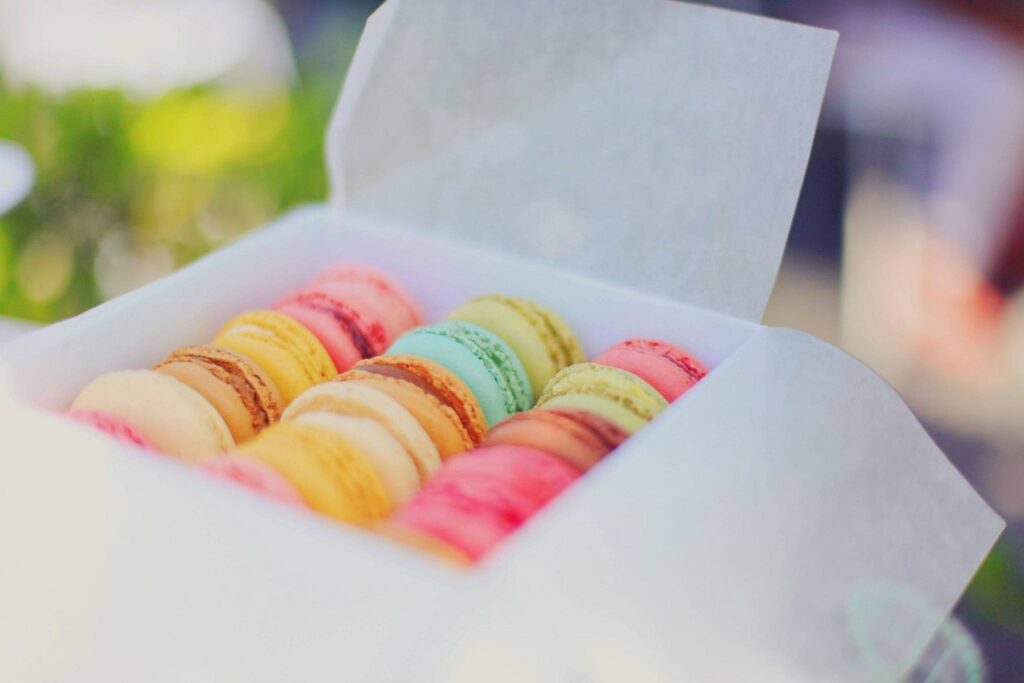
Macarons are undoubtedly among the most iconic French pastries, famous for their delicate almond meringue shells and luscious fillings. The art of macaron-making requires meticulous attention to detail—balancing moisture and temperature to achieve the perfect texture. Many find the challenge rewarding, as the resulting confection offers a charming crunch and a burst of flavour with each bite. Variations in flavours, from pistachio to raspberry, allow endless possibilities for creativity, making macarons a crowd favourite.
Pain au Chocolat: A Chocolate Lover’s Dream
Another beloved French pastry is the pain au chocolat, often dubbed the “chocolate croissant.” Similar to its crescent counterpart, the dough is layered with butter and chocolate pieces tucked inside. When baked, the pastry puffs up beautifully, offering a rich, indulgent experience, especially when enjoyed fresh from the oven. The balance of flaky pastry and molten chocolate tantalises the palate, making it a staple in French bakeries.
Mille-Feuille: Layers of Elegance
Mille-feuille, meaning “a thousand layers,” is a testament to the art of pastry making that features layers of puff pastry interspersed with rich custard cream. Topped with icing and often adorned with fruits or decorative elements, this dessert showcases the harmony of textures and flavours. Each layer contributes to a delightful experience that appeals to both the eye and the palate, exemplifying the meticulous craftsmanship associated with French pastry.
Essential Tools for French Pastry Making
Pastry Bags and Piping Tips
One of the essential tools for any pastry chef is a high-quality pastry bag, coupled with an array of piping tips. These devices allow for precise control while filling choux pastries, decorating cakes, or creating intricate designs on desserts. Investing in a range of piping tips, from simple round ones for writing to star-shaped tips for beautiful rosettes, can elevate the amateur baker’s creations significantly.
Marble Worktops: A Baker’s Best Friend
When working with chocolate or delicate dough, a marble work surface is invaluable. The cool temperature of the marble assists in maintaining the right consistency for chocolate tempering and provides a stable working surface for rolling dough. Many professional pastry chefs prefer marble for its ability to keep ingredients at an ideal temperature, ensuring the success of their creations.
Precision Scales: For Flawless Recipes
In a field where precision is paramount, a digital scale becomes an indispensable tool. Measuring ingredients by weight rather than volume reduces discrepancies and leads to more consistent results. Pastry chefs rely on these scales to convert recipes, ensuring that their culinary creations maintain integrity from one batch to the next.
Conclusion: Embracing the Art of French Pastry Making
Mastering the art of French pastry making is a rewarding pursuit that requires dedication, passion, and a willingness to learn. It is a journey that encompasses more than just the act of baking; it delves into the rich tapestry of culinary history and innovation. With the right techniques, ingredients, and tools, anyone can create perfect pastries that not only taste extraordinary but also delight the eyes.
The world of French pastry is filled with endless charm, inviting bakers of all skill levels to engage in the delightful challenge of crafting these beloved delicacies. As you explore this culinary art, remember that patience and practice often yield the sweetest rewards.
The key to perfect croissants is mastering the lamination process, ensuring the butter remains cold, and maintaining precise temperature control. Consistent folding and rolling lead to those beautiful flaky layers.
To achieve shiny macarons, ensure the meringue is whipped to stiff peaks and allow the piped shells to rest before baking, forming a thin skin that helps develop that coveted sheen during baking.
Traditionally, all-purpose flour or pastry flour is preferred for French pastries. Pastry flour has a lower protein content, resulting in tender, flaky pastries.
Mise en place ensures all ingredients are prepped and measured before starting, which leads to a more organised and efficient baking process, crucial for achieving stellar results.
Yes, many French pastries freeze well. It’s best to freeze them unfilled, or you can freeze filled pastries wrapped securely to prevent freezer burn, allowing you to enjoy them later.