The Universality of Bread
Bread is often hailed as one of the cornerstones of human civilisation, symbolising nourishment and sustenance across cultures. Its origins can be traced back to ancient times, when early humans began experimenting with grains and water, leading to the creation of simple, unleavened flatbreads. Over millennia, this humble food has evolved into numerous forms, showcasing regional ingredients, techniques, and traditions that reflect the identity of each country. This article embarks on a delectable journey to explore 15 countries celebrated for their exceptional breads, revealing the artistry behind each loaf and the cultural narratives woven into their recipes.
1. France: The Iconic Baguette
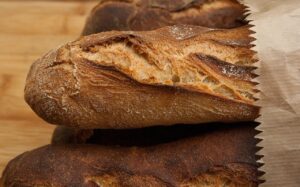
France, often thought of as the epicentre of bread-making art, boasts the celebrated baguette as its most iconic bread. This elongated loaf, characterised by its crunchy crust and airy interior, has become an emblem of French culinary culture. The process of making a baguette is an intricate affair, relying on a precise ratio of flour, water, salt, and yeast, combined with the magic of long fermentation. In France, the baguette is more than just food; it’s a daily ritual where bakeries serve fresh ones in the early morning, allowing locals to savour them with butter or cheese. This beautiful bread not only embodies France’s deep-rooted traditions but is also a source of national pride, with bakers competing annually in the “Grand Prix de la Baguette” to showcase their skills.
2. Germany: The Richness of Sourdough
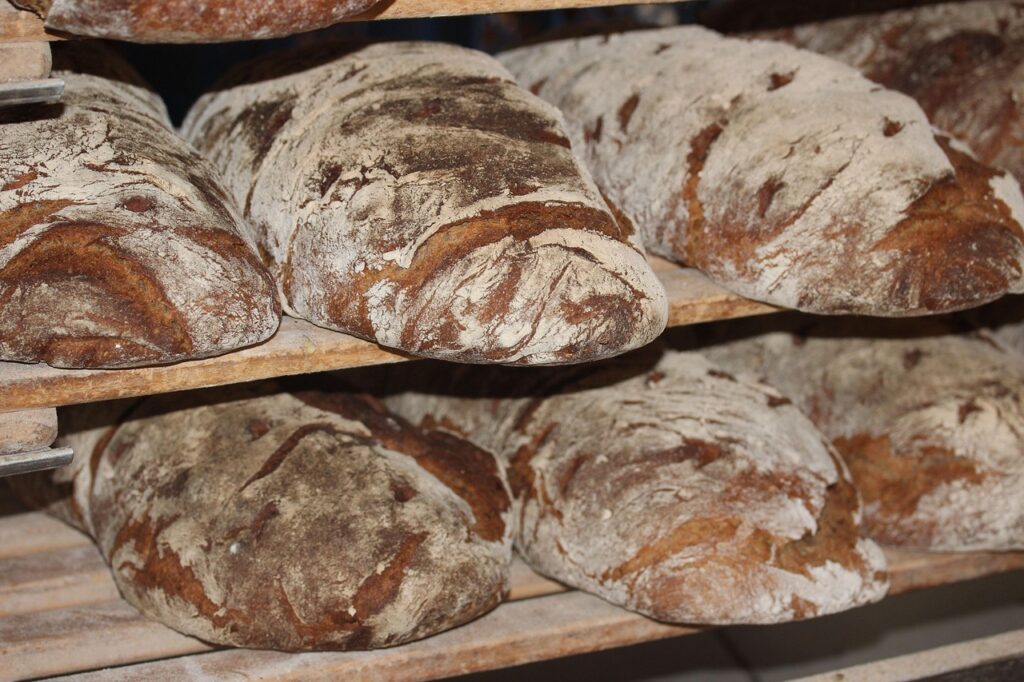
Germany is synonymous with hearty and robust bread varieties, with sourdough playing a significant role in its bread landscape. A quintessential example is pumpernickel, made from coarsely ground rye flour and distinguished by its dark colour and rich flavour. The fermentation process involved in making sourdough not only enhances the taste but also contributes to its distinctive texture. German bakeries often showcase an impressive array of breads, with a staggering 3,200 varieties officially recognised. This diversity speaks to the deep cultural significance bread holds in Germany, as it is celebrated during festivals and everyday meals alike, often accompanied by sausages, cheeses, and pickles, embodying a strong communal spirit.
3. Italy: The Art of Focaccia
Italy offers a bread-making tradition as rich as its cuisine, with focaccia being one of the most beloved examples. This flat, oven-baked bread, often seasoned with olive oil, salt, and various toppings like herbs or olives, is a versatile staple in Italian households. The origins of focaccia trace back to ancient Roman times, evolving into various regional versions across the country. In Liguria, for instance, focaccia al formaggio is a tantalising treat known for its cheese filling, while in Apulia, it’s often enjoyed as a simple snack on its own. Italian focaccia is not just a side dish but a culinary canvas that reflects regional flavours and ingredients, making it a hallmark of Italian gastronomy.
4. India: The Diverse World of Naan
Indian bread takes on a myriad of forms, with naan being one of the most recognised types globally. Traditionally cooked in a tandoor, or clay oven, naan is a leavened bread made with all-purpose flour, resulting in a soft, fluffy texture. Variants like garlic naan and butter naan are often served alongside rich curries, complementing their spiciness with a luscious mouthfeel. Each region in India boasts its own types of bread, from the unleavened chapati in the north to the dosa in the south, illustrating the diversity of Indian cuisine. Naan not only enhances the gastronomic experience but also serves as a cultural symbol, bridging the gap between rich culinary traditions and contemporary dining.
5. Japan: The Fluffiness of Shokupan
Japanese bread, particularly shokupan, has gained international acclaim for its unique texture and taste. Known for its soft, pillowy nature, shokupan is often referred to as ‘Japanese milk bread’ due to the incorporation of milk and butter in the dough. This bread stands out for its subtly sweet flavour and incredible fluffiness, making it an ideal base for both savoury and sweet creations, such as sandwiches and toast topped with sweet red bean paste. The meticulous process of crafting shokupan highlights Japanese attention to detail in culinary arts, where precision and care are essential in perfecting this treasured staple. Shokupan embodies the Japanese philosophy of ‘umami’—delivering satisfaction in every bite and showcasing the finesse of their baking techniques.
6. Mexico: The Versatility of Tortillas
In Mexico, bread takes on an entirely different form with the tortilla, a staple that is integral to the country’s cuisine. Made typically from corn or wheat flour, tortillas have a rich history that dates back to ancient Mesoamerican cultures. Corn tortillas, in particular, are traditionally made through a process called nixtamalisation, enhancing the nutritional value of maize while developing complex flavours. Tortillas are incredibly versatile, serving as the base for tacos, enchiladas, and quesadillas, showcasing their adaptability in various dishes. Beyond their culinary significance, tortillas are a cultural icon in Mexico, embodying the country’s heritage and diverse food identity as they are found in every household—serving as an everyday bread that binds communities together.
7. Turkey: The Flavourful Simit
Simit is a traditional Turkish bread that is an absolute delight, often described as a cross between a bagel and bread. Characterised by its crunchy exterior coated with sesame seeds, simit has a chewy yet fluffy centre that makes it perfect for snacking or even breakfast. Streets of Istanbul are adorned with simit vendors, where locals enjoy this warm bread, often paired with cheese, olives, or jam, signalling the beginning of a delightful day. The artistry of making simit lies in its woven shape and the boiling process before baking, giving it that unique texture. Not just a food item, simit embodies the spirit of Turkish hospitality, signifying sharing and community over meals.
8. Sweden: The Hearty Knäckebröd
Sweden introduces knäckebröd, a distinct Crispbread, to the global bread narrative, celebrated for its long-lasting quality and hearty crunch. Often made from rye flour, knäckebröd is baked until it’s dry and crispy, making it perfect for storage. Traditionally, it has been a staple during long winters, providing sustenance and nourishment. Its simple yet delicious nature allows it to be topped with an assortment of spreads, from butter and cheese to smoked fish or herring, making it a versatile accompaniment to any meal. While it serves a practical purpose, knäckebröd is also a cherished part of Swedish tradition, often decorated with creative designs for special occasions, making it a delightful artistic expression of the nation’s baking heritage.
9. Ethiopia: Injera and Its Cultural Significance
Ethiopian cuisine is deeply intertwined with its indigenous bread, injera, an essential component of traditional meals. This sourdough flatbread is made from teff flour, which is high in nutritional value and gluten-free. Injera is known for its unique spongy texture and slightly tangy flavour, making it the perfect vehicle for scooping up stews (known as wot) and vegetables. It also serves a purpose beyond mere sustenance; injera embodies the communal aspect of Ethiopian meals, where the bread is often used as a plate, promoting shared dining experiences. The process of making injera involves fermenting the batter for several days, showcasing the importance of patience and technique in Ethiopian baking traditions.
10. Greece: The Flavours of Pita Bread
Pita bread is an integral part of Greek cuisine, renowned for its pocket-like structure, which is perfect for holding an array of fillings. This unleavened bread is made with simple ingredients, requiring only flour, water, yeast, and salt. The magic happens during baking, where steam forms pockets in the dough, resulting in a delightful, fluffy inner texture. Pita is commonly served with classic dishes like gyros, souvlaki, or hummus, reflecting its adaptability and pairing capability. The bread’s versatility extends to various culinary styles and regional variations, allowing it to shine in a multitude of settings. Pita not only satisfies hunger but also embodies the warmth of Greek hospitality, often shared among family and friends.
11. Argentina: The Tradition of Empanadas
While not bread in the classic sense, Argentina’s empanadas deserve a mention in any discussion of beloved baked goods. These pastry pockets, encasing a variety of fillings such as beef, chicken, or cheese, are cherished in Argentine culture. The dough, typically made from flour, water, and fat, is rolled thin and folded over the stuffing before being baked or fried to golden perfection. Empanadas are often enjoyed during social gatherings, celebrations, or as a quick snack, highlighting their communal nature. Each region in Argentina boasts its own variations of empanadas, showcasing local ingredients and culinary traditions, solidifying its status as a beloved staple within the country’s vibrant gastronomy.
12. Russia: The Heaviness of Borodinsky Bread
Borodinsky bread is a traditional rye bread from Russia that encapsulates the rich culinary heritage of the region. This dark, dense bread is made primarily from rye flour, contributing to its distinct flavour profile, often enriched with molasses and coriander seeds. Its fermentation process creates a sourdough base that gives Borodinsky its characteristic tanginess and nutritional density. Served at festive occasions or simply enjoyed with butter and cheese, this bread holds cultural significance, representing comfort and home. It’s a perfect tribute to Russian hospitality, often paired with earthy and hearty dishes, enhancing flavours while showcasing the pride in their baking traditions.
13. Lebanon: The Delight of Man’ousheh
Man’ousheh, a beloved Lebanese flatbread, serves as a delightful breakfast or snack option, known for its versatility and rich flavours. Made from simple dough, this round flatbread is baked to perfection and often topped with a delectable mixture of thyme, olive oil, and sesame seeds known as za’atar. Its popularity lies in its ability to be customised, with fillings like cheese or vegetables, making it suitable for diverse palates. Historically, man’ousheh has been a staple in Lebanese culture, symbolising communal gatherings, and is often enjoyed alongside friends and family. Its delightful aroma and rustic yet satisfying taste encapsulate the essence of Lebanese baking traditions, serving as a reminder of the country’s rich culinary heritage.
14. Belgium: The Distinctive Pain Perdu
Pain Perdu, often referred to as “lost bread,” is a quintessential Belgian bread that takes stale bread and transforms it into a delectable dish. Traditionally made with leftover baguettes or brioche, this bread is soaked in a mixture of eggs and milk before being pan-fried to create a rich and indulgent treat, often served with syrup or seasonal fruits. The philosophy behind pain perdu reflects Belgian ingenuity in minimising waste while providing a delicious meal, embodying creativity in simple cooking. It’s a cherished breakfast or dessert option, enjoyed in many households, marking the culture’s appreciation for bread and its ability to remind people of familial connections and happy memories.
15. Iran: The Tenderness of Barbari Bread
Barbari bread, a traditional Iranian flatbread, is characterised by its long, oval shape and striking crust. Crafted from a simple dough of flour, water, and yeast, Barbari undergoes a unique baking process that gives it a distinctive appearance and flavour. Often adorned with sesame and poppy seeds, it has a slightly chewy texture and is ideal for scooping up stews or pairing with grilled meats. Barbari signifies the warmth of Iranian cuisine, where bread is an essential element of daily meals and social gatherings. The beauty of this bread reflects not only the baking prowess of the region but also its role in nurturing human connections over shared meals.
Conclusion: Bread as a Cultural Touchstone
Bread is far more than just a dietary staple; it embodies the essence of various cultures, revealing their uniqueness, traditions, and shared experiences. From the artistry of French baguettes to the warmth of Indian naan, each country brings something distinctive to the bread-making table, showcasing their local ingredients and customs. As we journey through these 15 flavours of bread, we not only appreciate the culinary techniques involved but also the cultural narratives woven into each loaf. Ultimately, bread connects us on an elemental level, serving as a universal language of hospitality, comfort, and community. So, whether you enjoy the crusty exterior of a German sourdough or the fluffy softness of a Japanese milk bread, let us cherish the diversity of bread across the globe.
The most famous bread in France is the baguette, known for its crunchy crust and airy texture.
German sourdough breads, such as pumpernickel, are known for their dense texture and rich flavours, often made with rye flour.
Shokupan, or Japanese milk bread, is common in Japan, characterised by its soft, fluffy texture.
In Ethiopian culture, injera serves as both food and a communal dining experience, facilitating shared meals.
Simit is a traditional Turkish bread resembling a bagel, coated in sesame seeds, and enjoyed as a popular snack.