An Introduction to French Bread
French bread making is not merely a culinary task; it is an exquisite art form honed over centuries, embodying a rich heritage and meticulous craftsmanship. The quintessential elements of French bread—its texture, flavour, and aroma—have established a global reverence for this staple food. At the heart of France’s culinary identity, bread transcends mere sustenance, often denoting societal and cultural rituals. The importance of bread in everyday life and festive occasions highlights its role in French dining, providing not only nutrition but also a sense of community and tradition. In this comprehensive guide, we delve deeper into various French bread varieties, unveiling the secrets behind classic baking techniques, and exploring the cultural significance that these delightful loaves hold within French cuisine.
The Iconic Baguette
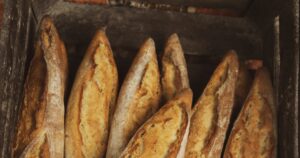
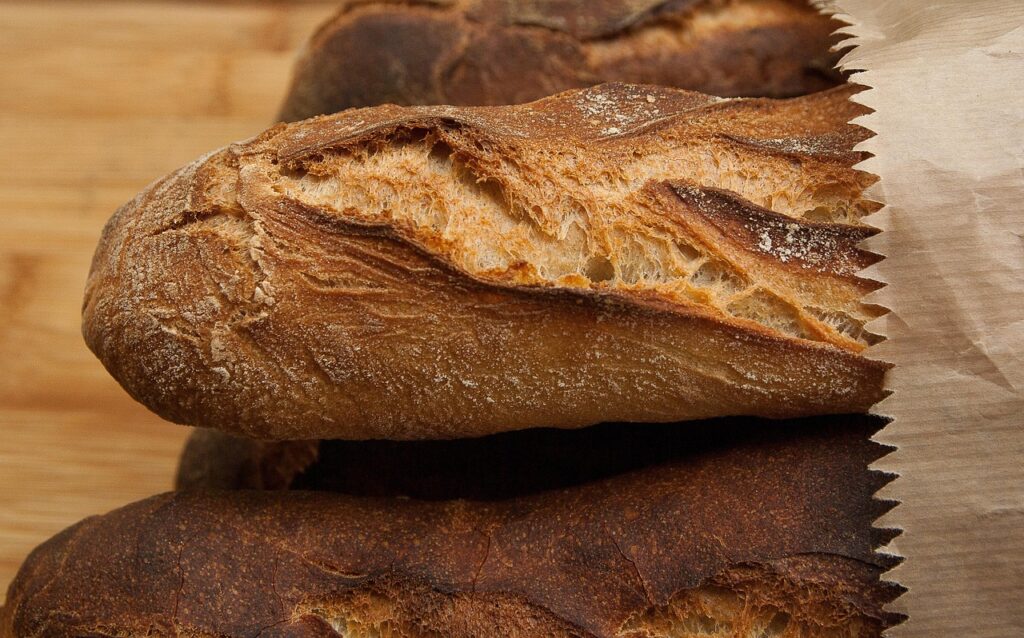
No discussion of French bread would be complete without a spotlight on the iconic baguette. Recognised by its long, thin shape and characteristic crispy crust, the baguette has become a symbol of France itself, embodying the heart of traditional French baking. Crafted from a simple mixture of flour, water, yeast, and salt, the magic of the baguette lies in its preparation. The dough undergoes a lengthy fermentation process, which not only enhances its flavours but also contributes to its airy, chewy interior—a true hallmark of quality bread.
The process of making a baguette is intricate; it requires a skilled touch and a deep understanding of the dough’s behaviour during proving and baking. Many bakers swear by the use of a starter, or ‘poolish’, which is allowed to ferment overnight, intensifying the bread’s flavour profile. Once shaped, the baguette is scored with diagonal cuts before being baked in a hot oven, creating the distinctive crust that we all adore. This rigorous attention to detail results in a bread that is not only delicious but also an integral part of French culture.
Crafting the Perfect Pain de Campagne
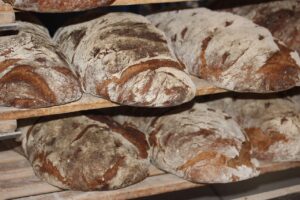
The pain de campagne, or “country bread,” offers a rustic alternative to the elegance of the baguette. This bread typically features a round shape and a thick crust, forged from a blend of white and whole wheat flours, often incorporating a sourdough starter for a tangy flavour. The charm of pain de campagne lies in its artisanal roots, reflecting the traditional farming methods of rural France.
Bakers delve into the challenges of making this bread, as the fermentation process requires patience and careful monitoring. The use of a starter not only develops its distinctive flavour but also lends the bread a commendable texture that is both hearty and satisfying. Traditionally baked in a wood-fired oven, pain de campagne possesses an aromatic quality that transports one to the rustic countryside, connecting diners to their roots. Serve it with rich pâtés or robust cheeses, and you have the perfect partner for any charcuterie board.
Exploring Pain Complet and Other Varieties
Beyond the classic baguette and pain de campagne, French bread encompasses a broad spectrum of varieties, such as pain complet and pain au levain. Pain complet, or whole wheat bread, highlights nutty flavours and a dense texture, caused by the use of whole grain flour. It is often used as a healthier alternative, offering more fibre and nutrients than its white counterpart. The preparation of pain complet is similar to that of standard French bread, but the integration of whole grains presents unique challenges in achieving the desired rise and texture.
An equally revered variety is pain au levain, which embodies the sourdough fermentation technique. This method has ancient roots and yields a complex, tangy flavour that is highly sought after by enthusiasts. With a longer proving period, pain au levain develops a signature chewiness that pairs well with sandwiches or simply enjoyed with butter. Each of these varieties represents the incredible diversity of French bread, illustrating how regional differences and baking methods can create countless delicious options for consumers.
The Role of Regional Specialties
French bread is not a one-size-fits-all category; rather, it is deeply influenced by regional traditions and ingredients. Each area of France boasts its own signature breads, reflecting the terroir and culinary practices of the locale. For example, in the Provence region, fougasse emerges as a popular flatbread, often studded with olives, herbs, or caramelised onions. Its unique shape and flavour make it an ideal accompaniment to dips and salads, showcasing the abundance of Mediterranean influences in French baking.
Meanwhile, the Alsace region takes pride in its pain d’épices, a spiced bread typically prepared with honey, which evokes the warmth of its festive markets. This region’s backgrounds also contribute to the use of different flours, such as rye or spelt, which further diversify the bread experience. Each regional specialty tells a story, allowing consumers to connect with the culture and history of France through the tangible medium of bread.
Baking Techniques and Equipment
The art of bread making is heavily reliant on techniques and the right equipment. Proper kneading, proving, and baking are essential elements to achieve that elusive ‘perfect’ loaf. Modern bakers often opt for dough mixers, but traditionalists staunchly believe in using the hands to help develop the dough’s gluten structure, leading to superior texture and flavour.
Proving is another critical aspect, as it allows yeast to ferment and develop carbon dioxide, helping the dough to rise. Generally, the two stages of proving—bulk fermentation and final proofing—are carefully controlled, taking into account factors such as temperature and humidity, which can significantly affect the final product. For baking, many bakers swear by using a baking stone or a cloche, which mimics the environment of a professional oven, delivering optimal results in terms of crust and crumb.
Why Bread Matters: Cultural and Social Significance
In France, bread occupies a sacred place within culinary traditions and social practices. Historically, bread held immense significance, having been a staple for the majority of the population for centuries. In fact, the phrase “breaking bread” communicates far more than just sharing a meal; it signifies community, kinship, and a gathering of families and friends.
Traditionally, bread is often presented as a symbol of nourishment at family meals, seen as an essential component of everyday dining. Furthermore, special occasions such as weddings and harvest festivals often highlight artisanal breads, connecting the significance of the event with the cultural importance of bread. For many, the mere act of going to the local boulangerie to select a fresh loaf is a cherished ritual, promoting a sense of community identity and pride in local craftsmanship.
Joining the French Bread Trend at Home
With the surging interest in artisanal bread making across the globe, many have taken to the kitchen to recreate traditional French breads in the comfort of their own homes. While the process may seem daunting at first, it can be incredibly rewarding. Home bakers can start by mastering techniques for making baguettes and pain de campagne before exploring regional variations.
Utilising quality ingredients always pays dividends—invest in high-protein bread flour for better gluten formation and opt for fresh yeast or a reliable sourdough starter. As aspiring bakers become more adept, they can begin experimenting with flavours and textures by incorporating herbs, seeds, or different types of flour into their practice.
Pairing French Bread with Other Cuisine
The versatility of French bread extends beyond the meals traditionally associated with it. Elevating a simple dish to a gourmet experience is easily achievable with the right type of bread. For instance, a crusty baguette forms the perfect base for classic bruschetta, topping it with tomatoes, basil, and a drizzle of balsamic glaze. Alternatively, pain de campagne, with its rustic qualities, complements hearty stews and soups, inviting diners to savour every element of their meal.
Moreover, French bread can be utilised in various global cuisines, connecting cultures through the universal love of fresh bread. From the spicy flavours of a Middle Eastern dip to the freshness of an Italian antipasto platter, each pairing brings out new dimensions of flavour that enhance the dining experience.
Conclusion: The Timeless Allure of French Bread
There is an undeniable magic that emerges from the creation of French bread, a synthesis of tradition, culture, and art. The various breads—be it the beloved baguette or the country-style pain de campagne—tell stories that connect us all, serving as a reminder of our shared appreciation for good food. As bread continues to evolve and adapt, it remains a constant in French culture, inviting generations to partake in its delicious legacy. Whether you’re indulging in a morning croissant, crafting the perfect sourdough loaf, or raising a toast with friends, remember that every bite is a celebration of love, history, and the simple joy of eating.
Traditional baguette making involves a fermentation process that includes a starter and a meticulous shaping, followed by careful baking in a hot oven.
French bread typically uses simple ingredients: flour, water, yeast, and salt. However, some varieties may incorporate whole grains or other flavourings.
Pain de campagne is a round, rustic bread that often uses a mixture of flours and a sourdough starter, giving it a denser texture compared to the lighter, airy baguette.
Bread symbolizes sustenance, community, and tradition in French culture, often served at family meals and festivities, highlighting its role in everyday life.
Absolutely! With quality ingredients and practice in techniques, anyone can create delicious French bread at home, starting with simpler varieties like baguettes.
France boasts numerous regional breads, including fougasse from Provence and pain d’épices from Alsace, each reflecting local culinary traditions and flavours.