
The Introduction to the World of Pasta
Pasta is a culinary staple enjoyed across the globe. Its versatility and ability to absorb flavours make it a favourite ingredient for chefs and home cooks alike. From comforting bowls of spaghetti to robust servings of rigatoni, each pasta shape offers unique attributes that can enhance any meal. This guide aims to explore various pasta types, their distinctive characteristics, ideal sauce combinations, and cooking techniques that will elevate your pasta-making skills.
Understanding the intricacies of pasta types will enable you to create an authentic Italian dining experience right in your kitchen. As we delve into each shape, we will focus not only on their culinary uses but also on their texture, why they’re suited for particular sauces, and the elements that can transform a basic pasta dish into an unforgettable meal.
The Timeless Spaghetti

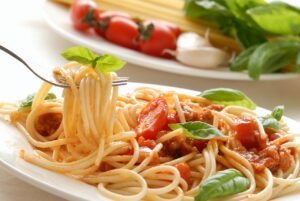
Spaghetti is arguably the most iconic pasta shape. Originating from Italy, these long, slender strands of durum wheat are best known for their adaptability to various sauces and ingredients. The smooth surface of spaghetti allows it to pair well with lighter, oil-based sauces, such as aglio e olio, which features garlic sautéed in olive oil, or classic tomato marinara that has a fresh, tangy richness. The key to perfect spaghetti lies in not overcooking it, allowing for the ideal al dente texture that retains a slight bite.
Additionally, spaghetti is a favourite for meat sauces like Bolognese, where it creates a delightful contrast with the richness of the sauce, making each bite a balance of textures and flavours. When served, it is often topped with a sprinkle of parmesan cheese and fresh herbs, adding depth and an aromatic touch to the dish. The beauty of spaghetti lies not just in its taste, but also in its ability to bring people together at the table, sharing in the joy of a comforting meal.
Penne: The Chunky Sauce Companion

Penne is another popular pasta shape known for its distinctive tube-like structure. The ridges on penne serve a crucial purpose, allowing it to hold onto hearty sauces and ingredients. This makes it a great choice for chunky sauces, such as a roasted vegetable ragu or a rich, meaty bolognese. The hollow centre of penne captures bits of meat, herbs, and vegetables, ensuring that every mouthful is a flavour-packed experience.
One of the more delightful ways to enjoy penne is in baked dishes. When combined with cheese and vegetables, baked penne becomes a comforting casserole that is perfect for family gatherings. The baking transforms the dish, allowing the flavours to meld and intensify, while the cheese on top becomes golden brown and bubbly. Thus, penne is not only versatile but also highly adept at satisfying a range of taste preferences, making it a fantastic option for various recipes.
Fusilli: The Spiralling Delight

Fusilli, with its spiral shape, offers a whimsical alternative to traditional pasta. The unique twists of fusilli are excellent for grabbing hold of sauces, whether they are thick, creamy, or oil-based. This pasta excels in pasta salads, where its shape contributes both visual appeal and a great bite. The spirals trap ingredients like diced vegetables, cheese, or meats, ensuring each forkful contains an array of textures and flavours.
One of the joys of fusilli is its adaptability; it pairs well with diverse sauces ranging from a zesty lemon vinaigrette to aromatic pesto. The latter, with its vibrant basil and garlic profile, makes for a refreshing dish best served chilled or at room temperature. When considering how to incorporate fusilli into your meals, let your imagination run wild—this pasta is perfect for experimentation and can be used across a wide variety of global cuisines beyond just Italian.
Linguine: The Flat Pasta Marvel

Slightly wider than spaghetti, linguine is another versatile pasta renowned for its ability to carry sauces effectively. This flat shape provides a surface area that allows it to cling to both light and heavy sauces, making it an excellent choice for dishes that call for seafood. Traditionally paired with clam sauce or pesto, linguine complements the delicate flavours of its accompaniments beautifully.
The texture of linguine makes it perfect for lightly coated dishes, enhancing the overall experience of the meal. When cooking linguine, pay attention to the timing; al dente pasta enhances toothsome quality and allows for better sauce absorption. Additionally, garnishing linguine with fresh herbs and a drizzle of high-quality olive oil can elevate the dish even further, transforming a simple pasta meal into a culinary delight.
Rigatoni: The Robust Tube

Rigatoni stands out among pasta shapes due to its large, ridged tubes that are perfect for capturing sauces and providing a satisfying mouthfeel. The size and sturdiness of rigatoni make it ideal for baked dishes, where it can be layered with meats, cheeses, and béchamel sauce. This pasta shape holds up well to heavy ingredients, allowing the dish to maintain its structure while ensuring a rich flavour profile.
When prepared in a traditional Italian style, rigatoni can be filled with ricotta cheese and spinach for a delightful variation that presents both visually and in taste. The beauty of rigatoni lies in its ability to embrace complex sauces, be they hearty meat sauces or creamy Alfredo. Each bite delivers a fulfilling blend of flavours and textures, making rigatoni a prime choice for special gatherings or comforting weeknight meals.
Farfalle: The Bowtie of Pasta

Farfalle, often referred to as “bowtie pasta” due to its unique shape, not only adds an appealing visual element to dishes but also serves as an excellent carrier for both heavy and light sauces. The pinched centre of farfalle gives it a delightful texture that contrasts well with various sauces, making it a popular choice for pasta salads and primavera dishes. Its cute appearance and playful shape make it particularly appealing to children, encouraging even the pickiest eaters to enjoy their meals.
When preparing farfalle, consider pairing it with seasonal vegetables or creamy sauces to balance the pasta’s texture. A classic recipe involves tossing it with fresh tomatoes, basil, and a drizzle of olive oil for a light summer dish. The versatility of farfalle ensures it shines in numerous culinary settings, from casual family dinners to formal gatherings.
Understanding Pasta Cooking Techniques
Cooking pasta may seem straightforward, but a few simple techniques can drastically elevate your dish. The first step is to ensure you use plenty of water when boiling pasta; a good rule of thumb is one litre of water for every 100 grams of pasta. This helps maintain the temperature of the water, preventing it from cooling down and ensuring even cooking.
Additionally, remember to season your cooking water generously with salt. This is your opportunity to infuse flavour into the pasta itself. Many chefs suggest that the water should resemble the sea; this will enhance the overall taste of the finished dish. When the pasta is cooked to al dente perfection, save a cup of the starchy pasta water before draining it. This can be added to your sauce for a silky texture and to help the sauce adhere better to the pasta.
Pairing Pasta with Sauces: The Perfect Match

The art of pairing pasta with the right sauce is crucial to achieving a balanced dish. Generally, lighter pasta shapes such as spaghetti and linguine are best suited for oil-based or tomato-based sauces, while robust shapes like rigatoni and penne can handle heavier, creamier sauces. For instance, a rich carbonara pairs beautifully with spaghetti, while chunky bolognese finds its ideal companion in penne.
Furthermore, cream sauces can overwhelm lighter pasta unlike a hearty lasagne that benefits from expansive layers of rich wild mushroom sauce. Understanding these dynamics will lead to more successful meals, allowing each pasta type to shine in its own right while enhancing the overall dining experience. As you become familiar with these pairings, consider creating your own combinations and experimenting with different flavour profiles and textures.
Conclusion: Embrace the Pasta Adventure
The world of pasta is vast and varied, offering an endless array of possibilities from everyday meals to gourmet dinners. Each pasta shape carries its own personality and character, shaping the way it interacts with various sauces and ingredients. As you experiment with different types, you will discover how to make the most of their unique qualities and create breathtaking dishes that honour Italian culinary traditions.
Whether you’re whipping up a quick spaghetti aglio e olio or crafting a decadent baked rigatoni, the essence of pasta lies in its capacity to unite people around a table, savouring the joy of good food. So, roll up your sleeves, gather your ingredients, and embark on your pasta-making journey, transforming simple dishes into extraordinary culinary achievements.
Spaghetti is the best shape for spaghetti sauce, as its long, thin strands allow for even coating with the sauce.
Penne, with its tube shape and ridges, is ideal for holding onto chunky sauces, capturing bits of meat and vegetables effectively.
To achieve the perfect al dente texture, cook the pasta according to package instructions, ensuring it remains firm to the bite without being hard.
Fusilli pairs wonderfully with creamy sauces, pesto, or thick tomato sauces, as its spiral shape holds the sauce and ingredients effectively.
Yes, pasta dishes like baked rigatoni can be layered with cheese, sauces, and other ingredients, resulting in a delicious and comforting casserole.