
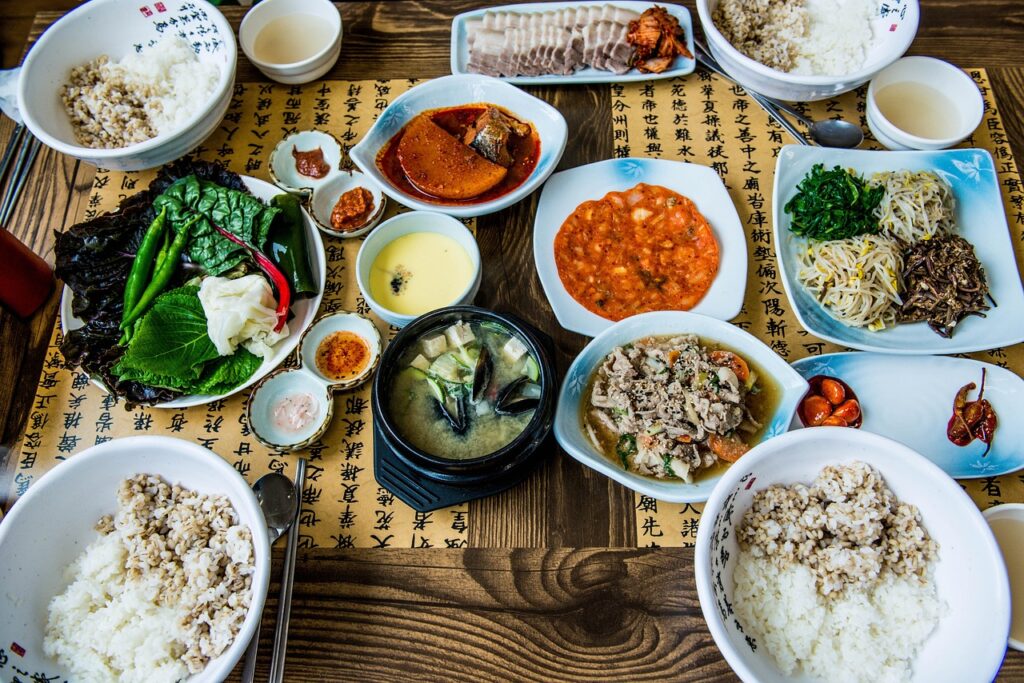
Unveiling Korean Cuisine
Korean cuisine is a colourful mosaic of diverse ingredients, techniques, and flavours that reflect the country’s rich history and culture. Often characterised by bold flavours, it combines spices, fermented foods, and a variety of cooking methods to create dishes that tantalise the taste buds. The foundation of Korean gastronomy is built upon a deep understanding of balance—balancing colour, flavour, and texture is essential in creating a well-rounded meal. Each dish not only nourishes the body but also serves as a cultural expression, telling stories of regional origins and historical influences that have shaped the food landscape of Korea over centuries.
The Importance of Fermented Foods
One of the defining features of Korean cuisine is its emphasis on fermented foods, which are crucial for enhancing flavours and promoting health. The most famous of these is kimchi, a staple that comes in various regional and seasonal variations. Made from fermented vegetables like Napa cabbage and Korean radishes, kimchi is seasoned with ingredients such as gochugaru (Korean red pepper flakes), garlic, ginger, and fish sauce or salted shrimp for an umami kick. The fermentation process not only alters the flavour profile, adding tanginess and depth, but also enriches the dish with beneficial probiotics essential for gut health.
Signature Dishes That Define Korean Cuisine
Korean cuisine boasts a myriad of signature dishes, each filled with unique flavours and culinary traditions. Bibimbap, a vibrant mixed rice dish, exemplifies harmony in cooking. It features a bed of steamed rice topped with an array of sautéed and seasoned vegetables, a dollop of gochujang, and often an egg or a choice of meat. Another staple, Korean BBQ, is an interactive dining experience where diners grill their own marinated meats, such as bulgogi (marinated beef) or samgyeopsal (grilled pork belly), at the table. Accompanied by a variety of banchan (side dishes), this communal style of eating promotes sharing and enhances the overall culinary experience.
Emphasis on Freshness and Seasonality
Korean cooking places significant emphasis on fresh, seasonal ingredients. This principle is evident in dishes like spring vegetable bibimbap, which showcases the unique produce available at certain times of the year. Korean markets overflow with seasonal vegetables, fruits, and herbs, and many families take part in traditional practices like foraging and growing their own crops. The freshness not only elevates the flavour but also affects the visual appeal of dishes, as vibrant colours play a vital role in meal presentation.
Understanding the Role of Rice
In Korean cuisine, rice is more than just a staple; it is the heart of the meal. Served with almost every dish, the preparation of rice is an art form in itself. Traditionally, short-grain rice is preferred for its sticky texture, making it easy to eat with chopsticks. The use of a Korean rice cooker ensures perfectly cooked rice, which is fluffy and slightly sticky, forming an ideal accompaniment to both meat and vegetable dishes alike. This culinary tool is commonplace in Korean households, reflecting the central role rice plays in daily life.
The Art of Banchan
Banchan, or side dishes, are essential to the Korean dining experience, offering a variety of flavours and textures alongside the main courses. Typically served in small portions, banchan can range from fermented vegetables, such as kimchi, to stir-fried or sautéed dishes, like seasoned spinach or spicy cucumber salad. These side dishes not only complement the main meal but also reflect regional diversity within Korean cuisine. The variety of banchan is often what makes a Korean meal feel abundant and celebratory, as they encourage sharing and sampling different flavours at the dining table.
Fermented Flavours: The Role of Jang
Central to many Korean dishes is the use of jang, a category of fermented condiments made from ingredients like soybeans and wheat. Two of the main types are doenjang (fermented soybean paste) and gochujang (spicy red pepper paste). These versatile pastes provide deep umami flavour, distinguishing Korean dishes from other Asian cuisines. The science behind fermentation not only enriches the taste but also adds a depth of complexity that builds richer palates and layered flavours, making Korean cuisine a delight for the senses.
Innovative Modern Trends
Korean cuisine is continually evolving, particularly as it gains popularity worldwide. Innovative interpretations of traditional dishes have emerged, with chefs experimenting with global ingredients and techniques. This fusion can be seen in dishes like kimchi tacos or Korean fried chicken, which incorporate Western cooking methods while maintaining core Korean flavours. The rise of K-Pop and Korean dramas has also sparked international interest in Korean food, leading to an increase in Korean restaurants and food trucks around the globe, thus propelling Korean culinary traditions into the mainstream.
A Culinary Journey Through Korean Streets
Street food plays a vital role in Korean culture, offering a diverse array of quick and affordable snacks. Popular street foods include tteokbokki, spicy stir-fried rice cakes, and hotteok, sweet pancakes filled with brown sugar and nuts. Street vendors create vibrant and enticing experiences, with sizzling woks and colourful stalls attracting passersby. These meals are often enjoyed on-the-go, showcasing the vibrant energy of Korean urban life. Street food not only presents an affordable introduction to Korean flavours but is also an exploration of creativity and local ingredients.
Popular Beverages: From Soju to Traditional Teas
No exploration of Korean cuisine would be complete without mentioning its beverages. Soju, a distilled spirit often made from rice, is a popular choice for pairing with meals and is served in a ceremonial manner, often accompanied by specific rules and customs. Traditional teas, such as barley tea and omija tea, highlight the non-alcoholic beverage culture, showcasing Korea’s natural ingredients. These teas are often enjoyed for their health benefits and flavour, making them a wonderful complement to a variety of dishes, enhancing the overall dining experience.
Cooking Techniques: The Spirit of Korean Preparation
Korean cooking techniques are as diverse as its flavours, valuing both traditional methods and modern innovations. Techniques such as fermenting, grilling, steaming, and stir-frying form the backbone of Korean culinary practice. Essential tools like clay pots for stewing or grills for BBQ are often integrated into meal preparation. Understanding these techniques equips home cooks to recreate authentic flavours while also allowing the flexibility to experiment. Whether embracing age-old methods or trying contemporary approaches, the spirit of Korean cooking encourages creativity and exploration.
Conclusion: The Cultural Tapestry of Korean Cuisine
Korean cuisine is undoubtedly a reflection of its culture, encompassing centuries of history and traditions. Each meal tells a story, weaving together flavours, techniques, and community. As the world continues to embrace this culinary art form, the essence of Korean food remains rooted in the principles of harmony, freshness, and seasonality. From spicy kimchi to savoury BBQ, every dish offers a unique experience waiting to be discovered. As we delve deeper into the world of Korean flavours, we find that it is not just about food; it is about connection, celebration, and the joy of sharing a meal with others.
Korean cuisine is characterised by bold flavours, an emphasis on fermentation, diverse use of ingredients, and a variety of cooking techniques. Main components include rice, vegetables, meats, and fermented staples like kimchi.
Kimchi is a fermented vegetable dish, typically made with Napa cabbage and Korean radishes. It is a staple in Korean cuisine and provides essential flavours while also being a source of beneficial probiotics.
Banchan refers to a variety of small side dishes served alongside the main course in Korean meals. Common examples include pickled vegetables, sautéed greens, and small portions of kimchi, which enhance the overall dining experience.
Korean BBQ is interactive, allowing diners to grill their own marinated meats at the table, often accompanied by various sauces and banchan. This communal experience sets it apart from many Western BBQ traditions.
Popular Korean street foods include tteokbokki (spicy rice cakes), hotteok (sweet pancakes), and kimbap (rice rolls). These snacks offer a flavourful and affordable way to enjoy Korean cuisine on-the-go.
Korean cooking techniques, including fermentation, grilling, and stir-frying, highlight the versatility of ingredients and the importance of balance in flavour. Traditional tools like clay pots and grills further enhance these methods.