

Champagne is still the benchmark for traditional-method sparkling wine, but it is not the only bottle worth opening. The best alternatives offer a similar sense of occasion, often with different fruit, texture, price, or regional character.
Prosecco, Italy’s bright and easy-going sparkling wine
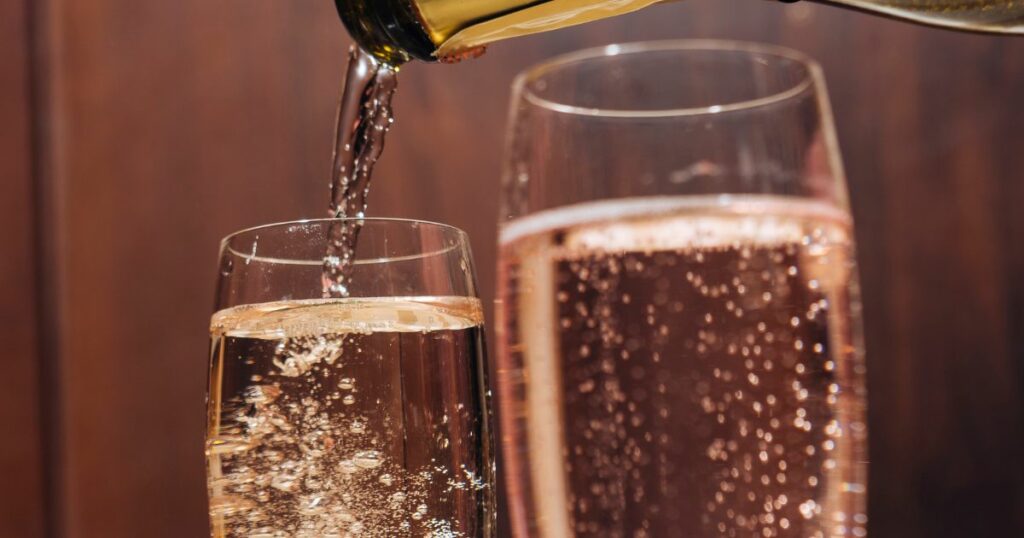
Prosecco is made mainly from the Glera grape in Veneto and Friuli Venezia Giulia. It is usually produced by the tank method, which preserves fresh fruit, floral aromas and soft bubbles. It is not trying to copy Champagne: it is lighter, simpler and often better suited to aperitifs, brunches and easy celebrations.
Read also: The Rich History of Prosecco: Italy’s Sparkling Wine Gem
Franciacorta, Lombardy’s serious Champagne alternative
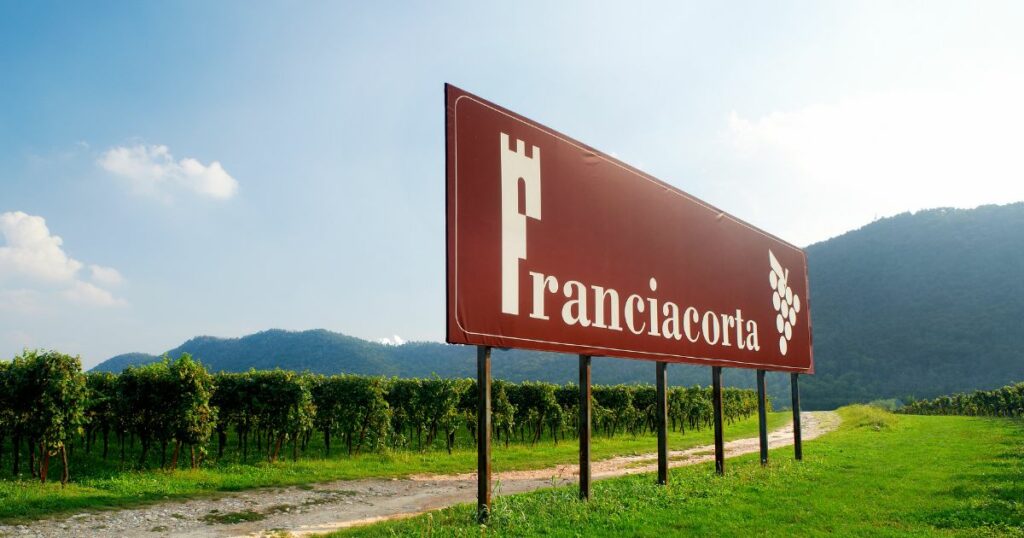
Franciacorta is a Metodo Classico sparkling wine from Lombardy, usually made from Chardonnay, Pinot Nero and sometimes Pinot Bianco. Because it undergoes secondary fermentation in bottle and spends time on the lees, it can offer the bread-crust, almond, citrus and fine-bubble character that Champagne drinkers recognise. It is one of Italy’s strongest premium alternatives to Champagne.
Cap Classique, South Africa’s traditional-method sparkling wine
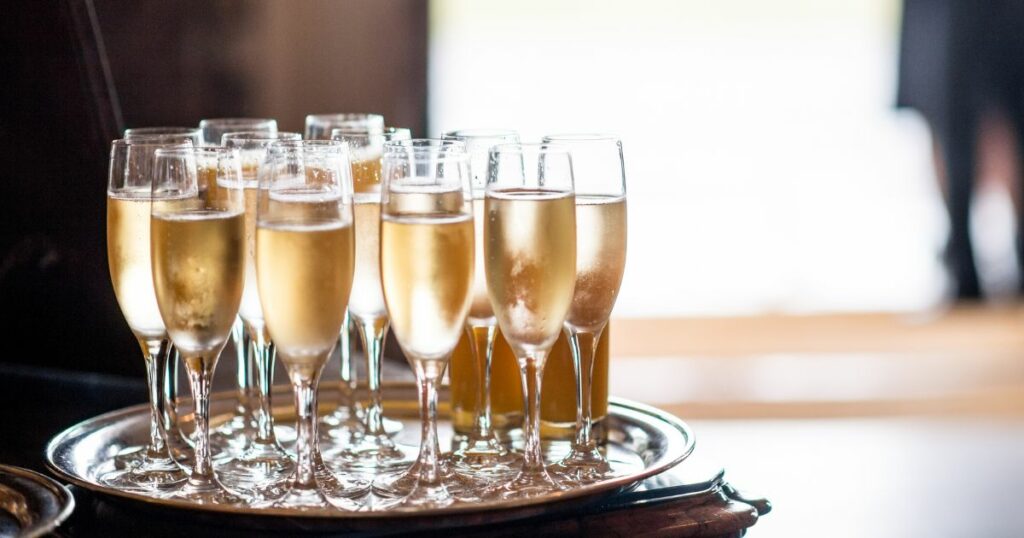
Cap Classique is a traditional method sparkling wine produced in South Africa. It is typically made from Chardonnay and Pinot Noir grapes, although other varieties such as Pinotage, Chenin Blanc, and Sauvignon Blanc may be used as well. The wine is aged on the lees for a minimum of 12 months, resulting in a wine with fine, persistent bubbles and complex flavors. Cap Classique is known for its crisp acidity and notes of citrus, green apple, and brioche, and may also exhibit flavors of red berries and toasted nuts. It is a versatile wine that pairs well with a range of foods, including seafood, poultry, and Asian cuisine. Cap Classique is also becoming increasingly recognized on the international stage, with many producers winning awards and gaining critical acclaim for their high-quality wines.
Cava, a Spanish classic
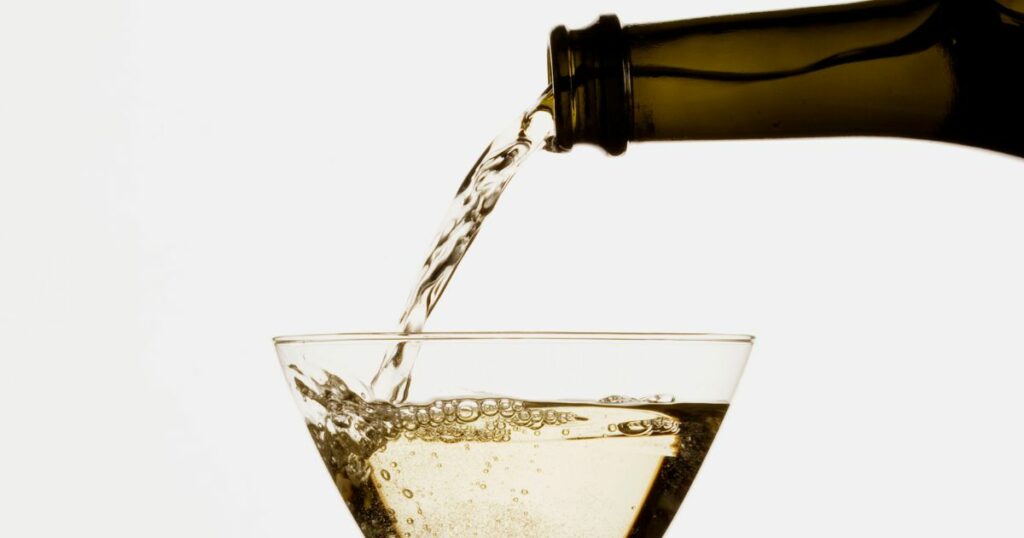
Cava is Spain’s best-known traditional-method sparkling wine, especially associated with Penedès in Catalonia. It is often made from Macabeo, Parellada and Xarel-lo, giving crisp acidity, citrus, apple and sometimes a savoury edge. Good Cava is one of the best-value ways to get bottle-fermented bubbles without Champagne pricing.
Crémant, regional sparkling wines

Crémant is traditional-method French sparkling wine made outside Champagne, with strong examples from Alsace, Burgundy, the Loire and Limoux. The grapes vary by region, so the style can range from crisp and mineral to rounder and fruitier. For many buyers, Crémant is the most practical French alternative to Champagne.
Blanquette de Limoux, the pioneers
Blanquette de Limoux is a traditional-method sparkling wine from south-western France, usually based on the Mauzac grape. It brings green apple, lemon, delicate bubbles and a lightly rustic charm. Limoux is also historically important: local sparkling production is often said to pre-date Champagne, making it more than just a budget substitute.
Sekt; sparkling wine from Germany
Sekt covers a wide range of German sparkling wines, from simple tank-method bottles to serious traditional-method examples. The most distinctive versions are often Riesling-based, with floral aromas, citrus, peach and vivid acidity. Look for quality-focused producers rather than treating all Sekt as one style.
Trento DOC and other Italian Metodo Classico wines

Beyond Franciacorta, Italy has excellent traditional-method sparkling wines, especially from Trentino under the Trento DOC label. These wines are often made from Chardonnay and Pinot Noir, with fine bubbles, crisp acidity and more complexity than Prosecco. They are useful when you want Champagne-like structure with a clearly Italian identity.
Espumante
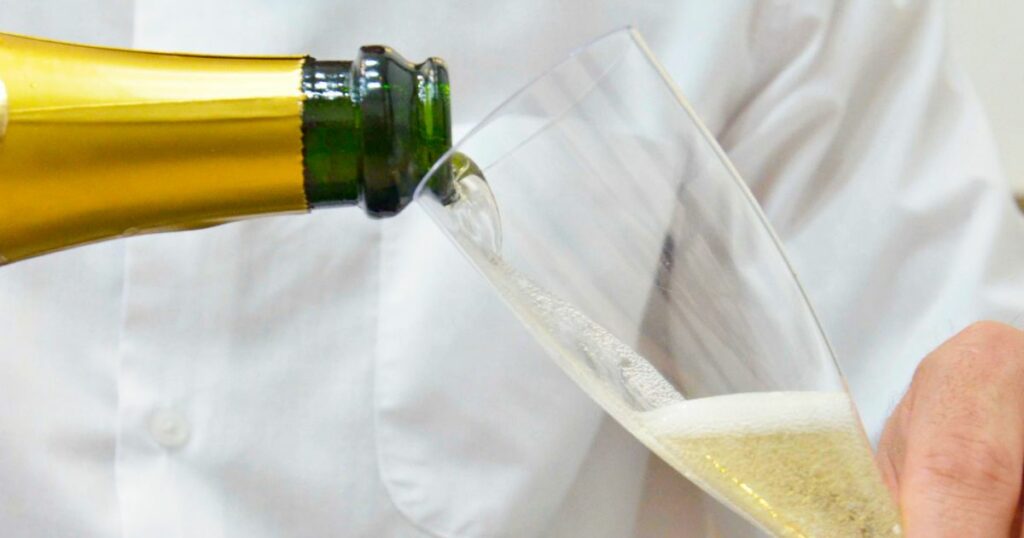
Espumante is a traditional method sparkling wine produced in Portugal. It can be made from a variety of grape varieties, including Arinto, Baga, and Touriga Nacional. The wine undergoes a secondary fermentation in the bottle and is aged on the lees for a minimum of nine months, resulting in a wine with creamy, persistent bubbles and fresh, fruity flavors. Espumante is known for its crisp acidity and aromas of citrus, peach, and apricot. Some varieties may also exhibit more complex flavors of almond, honey, and brioche. Espumante is a versatile wine that pairs well with a variety of foods, including seafood, white meats, and light pasta dishes. It is also an excellent value compared to other traditional method sparkling wines, making it a great option for those looking for a high-quality wine at an affordable price.
Tasmanian Sparkling Wine
Tasmanian sparkling wine is a high-quality sparkling wine produced in Tasmania, an island state of Australia located south of the mainland. The cool climate and fertile soil of Tasmania are ideal for growing Chardonnay and Pinot Noir grapes, which are the primary grape varieties used to make Tasmanian sparkling wine. The wine is produced using the traditional method, which involves a secondary fermentation in the bottle and aging on the lees for a minimum of 12 months. This process creates a wine with fine, persistent bubbles and complex flavors of apple, citrus, and brioche.
Tasmanian sparkling wine has gained international recognition for its quality, with many producers winning awards and gaining critical acclaim for their wines. The wine is known for its elegance, finesse, and freshness, which are attributed to the cool climate and maritime influence of Tasmania. Tasmanian sparkling wine is a versatile wine that pairs well with a range of foods, including seafood, white meats, and creamy pasta dishes. It is also a great alternative to Champagne, offering a unique flavor profile and exceptional value for its quality. If you are looking for a premium sparkling wine that offers something different and exciting, Tasmanian sparkling wine is definitely worth exploring.
Honourable mentions by country
- England: English Sparkling Wine, usually traditional method from Chardonnay, Pinot Noir and Pinot Meunier, with Sussex, Kent and Hampshire leading the way.
- Austria: Austrian Sekt, especially Sekt Austria Reserve and Große Reserve, often made from Grüner Veltliner, Riesling, Chardonnay or Pinot varieties.
- Slovenia: Penina, the local term for sparkling wine, with traditional-method examples from regions such as Goriška Brda and Štajerska.
- Croatia: Pjenušac, Croatian sparkling wine, including traditional-method bottles from Istria, Plešivica and coastal-influenced vineyards.
- Brazil: Brazilian Espumante, particularly from Serra Gaúcha, often fresh, clean and very strong value.
- New Zealand: New Zealand Méthode Traditionnelle, with bright cool-climate examples from Marlborough, Central Otago and Hawke’s Bay.
In conclusion
The best Champagne alternative depends on what you want from the bottle. Choose Franciacorta, Trento DOC, Cap Classique or Tasmanian sparkling wine for traditional-method complexity; Crémant, Cava or Limoux for value and freshness; Prosecco for easy fruit and charm. None of them needs to replace Champagne outright, but each can offer a better fit for a particular meal, budget or occasion.
𐡸 𐡸 𐡸 𐡸 𐫱 𐡷 𐡷 𐡷 𐡷
Frequently asked questions
Champagne is a type of sparkling wine, but not all sparkling wines are Champagne. Champagne is produced exclusively in the Champagne region of France using a specific blend of grape varieties and a specific production method. Other sparkling wines may be made using different grape varieties and different production methods, such as the Charmat method used to make Prosecco.
Sparkling wine is best served chilled, between 40-50°F (4-10°C). It is important to avoid freezing the wine or serving it too warm, as this can affect the taste and aroma. To open a bottle of sparkling wine, hold the cork firmly and twist the bottle, not the cork, to gently release the pressure. Pour the wine slowly into a flute glass to preserve the bubbles.
Yes, sparkling wine is a versatile wine that can be paired with a variety of foods. Champagne pairs well with rich, creamy dishes such as caviar or lobster, while Prosecco pairs well with light, fresh dishes such as salads or seafood. Cava and other sparkling wines can be paired with a range of foods, including tapas, grilled meats, and spicy dishes.
Sparkling wine has a shorter shelf life than still wine due to its carbonation. Once opened, it is best consumed within 1-3 days to ensure maximum freshness and optimal flavor. However, unopened sparkling wine can last for several years, depending on the type and quality. Non-vintage sparkling wines are typically best consumed within 1-2 years of release, while vintage sparkling wines can age for 5-10 years or more.
Proper storage is essential to ensure the longevity and quality of sparkling wine. Sparkling wine should be stored in a cool, dark place away from light, heat, and vibrations. The ideal temperature range is between 45-55°F (7-13°C), with a humidity level of 70-80%. Store the bottle horizontally to keep the cork moist and prevent it from drying out. Once opened, reseal the bottle tightly with a cork or sparkling wine stopper and store it in the refrigerator to slow down the loss of carbonation.