Understanding the Essence of Japanese Frying
The world of frying is vast and varied, each culture contributing its unique take on the technique. Among these, Japanese-style frying, particularly the beloved method known as tempura, stands out for its lightness and crispiness. While many may assume that the magic lies solely in the hot oil, chefs assert that it takes various factors to produce the signature airy crunch of tempura. These include cold ingredients, a gentle technique, and impeccable timing. The result is not just a crisp exterior but a deliciously moist interior that keeps the essence of the ingredients intact.
Tempura, which originally emerged in Japan from Portuguese frying techniques during the 16th century, has evolved into a culinary art. The aim here is to create a delicate coating that enhances rather than overwhelming the natural flavours of what’s being fried. It’s no surprise that chefs across the globe turn to these methods in their quest for the perfect fried dish.
Key Components of Tempura Technique
One of the most significant aspects that differentiate tempura from other frying techniques is the batter itself. This batter is usually made from low-gluten flour, egg, and ice-cold water. Masa Hamaya, chef-partner at Shokudô in Charleston, describes how tempura’s light and crispy batter acts almost like a protective seal around the ingredient. This ensures that not only does the exterior crisp up beautifully, but the food also retains its natural moisture.
Another unique element of preparing tempura is the use of carbonated water, often preferred to tap or still water. The incorporation of bubbles from the carbon dioxide creates a lighter texture in the batter. Yet, this is just one part of the frying equation. The techniques employed during frying can vary based on the food type, each requiring precise adjustments to achieve that famed texture.
Temperature Control: The Key to Success
Frying temperatures are essential in achieving the desired lightness and crispiness. According to Shota Nakajima, a Seattle-based chef renowned for his tempura expertise, both the oil’s temperature and the frying method significantly influence the final product. For instance, vegetables might fry best at around 325°F, while seafood, being more delicate, may require a slightly higher temperature, closer to 350°F or beyond.
Attention to detail doesn’t stop at temperature; the timing from fryer to plate is crucial. In many traditional tempura restaurants in Japan, food is served immediately after frying, often measured in seconds. This immediate serving helps preserve the exquisite texture that tends to deteriorate as the food cools. If fried tempura is subjected to heat lamps or sits too long, even a brief wait can result in a gummy exterior, defeating the purpose of the delicate batter.
The Artful Balance: Timing and Technique
Temperature and timing are intrinsically linked since both dictate the final texture and quality of the fry. A skilled chef must handle these elements with care—adjusting the temperature as necessary for various ingredients and being acutely aware of the moments when a fried item is perfectly cooked.
Adding to the complexity, Hamaya notes that in certain situations, chefs may introduce baking powder or rice flour to the batter to retain crispness for longer durations, especially in catering scenarios where food may not be consumed immediately. Likewise, sometimes sugar is added to enhance caramelisation, bringing another layer of flavour and texture that is particularly gratifying.
While these methods can sound straightforward, upon closer examination, it’s clear that exceptional frying requires a fine balance between art and science—requiring lots of practice and patience to master.
Getting Tempura Right at Home
For those eager to replicate the light and crispy tempura at home, the good news is it’s achievable with the right techniques. Chris Hong, executive chef at O-Ku in Atlanta, emphasises that nearly any ingredient can be fried tempura-style, including fish, shrimps, and various vegetables. He recommends starting with a pre-packaged tempura flour mix, which simplifies the preparation process, especially for novice cooks.
Begin by preparing your ingredients—ensure everything remains cold, from the batter to the components you wish to fry. This can mean placing a bowl with your batter mixture into another bowl of ice to keep it chilled throughout. When you reach the frying stage, remember to keep the food pieces spaced apart in the hot oil to avoid overcrowding, which can lead to sogginess rather than crispness.
As for the oil, choices like vegetable or peanut oil have high smoke points, making them suitable options. Once the oil reaches the necessary temperature, a quick and light coating of the batter will suffice. The goal here is to reproduce that thin, airy texture that tempura is celebrated for—while simultaneously allowing the ingredients to shine rather than being obscured by an overbearing crust.
Vegetable and Seafood Tempura: Essential Techniques
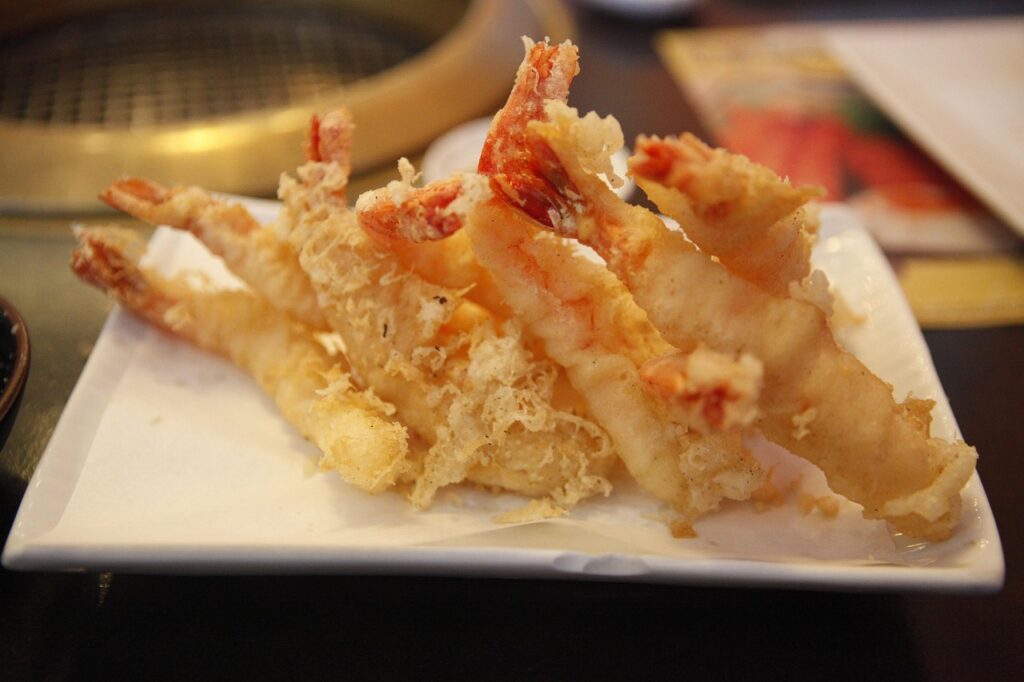
Understanding which vegetables and seafood to use is equally important. Classics like sweet potato, green beans, and zucchini are staples in tempura cuisine, but feel free to experiment with seasonal offerings like asparagus or even harder options like broccoli. For seafood lovers, shrimps are a popular choice, renowned for their ability to absorb the batter’s delicate flavours while yielding a delightful texture upon frying.
Once the frying is complete, allow the excess oil to drain. This can be done on a cooling rack or, traditionally, on a sheet of newspaper. Presenting your tempura hot and fresh is essential, accompanied by dipping sauces like tentsuyu, a mix of dashi, soy sauce, and mirin, which pairs beautifully with the crispiness of the fry and elevates the overall dish.
Exploring Variations: Beyond Traditional Tempura
While traditional tempura primarily features vegetables and seafood, there are delightful variations. Some chefs experiment with incorporating unique fluffiness by infusing the batter with herbs or spices, adding a creative touch to this classic dish. One could also delve into the use of seasonal ingredients to inspire creativity; for example, tempura-frying delicate edible flowers can not only produce stunning visuals but also surprising bursts of flavour.
As one becomes more comfortable with the technique, the creativity can run wild. Try to mix and match what you fry; think about combinations like sweet potato tempura served with a spicy tomato dip or a light vegetable tempura platter designed for sharing with a variety of sauces. By playing with seasonal elements, you can change a humble tempura into a gourmet dining experience at home.
Final Thoughts on Mastering Tempura
In conclusion, the art of tempura lies not just in the frying itself but in what precedes it—meticulous preparation, temperature control, and respecting the cooking time. Japanese-style frying encapsulates an entire philosophy around food that aims to preserve freshness and texture, allowing each ingredient to shine while being lightly enveloped in a crispy embrace.
Whether you’re a seasoned chef or a curious home cook, remember that becoming proficient in this technique requires practice, patience, and the courage to experiment. With each attempt to recreate that perfect tempura, you inch closer to mastering a beautiful culinary art form renowned for its delightful contrast of textures and flavours. So, gather your ingredients, keep that oil hot, and embrace the joy of frying!
Tempura is a Japanese frying method that involves coating ingredients in a light batter and frying them in hot oil, producing a crispy and airy texture.
To make tempura at home, keep your ingredients and batter cold, use a light, low-gluten batter, and fry quickly at the proper temperature, ensuring not to overcrowd the pan.
Oils with high smoke points, such as vegetable oil or peanut oil, are best for frying tempura, allowing for a hot and crispy finish without burning the batter.
Yes! Tempura can be made with various ingredients, including vegetables, seafood, and even some fruits and flowers. Be creative with your choices!
The ideal frying temperature for tempura typically ranges between 325°F and 350°F, depending on the ingredient being fried.
Timing is crucial for tempura; it should be served immediately after frying to maintain its crispy texture and prevent it from becoming soggy.
Dipping sauces like tentsuyu, made from dashi, soy sauce, and mirin, are popular choices for tempura, as they complement the crispiness and enhance the flavours of the fried dishes.