
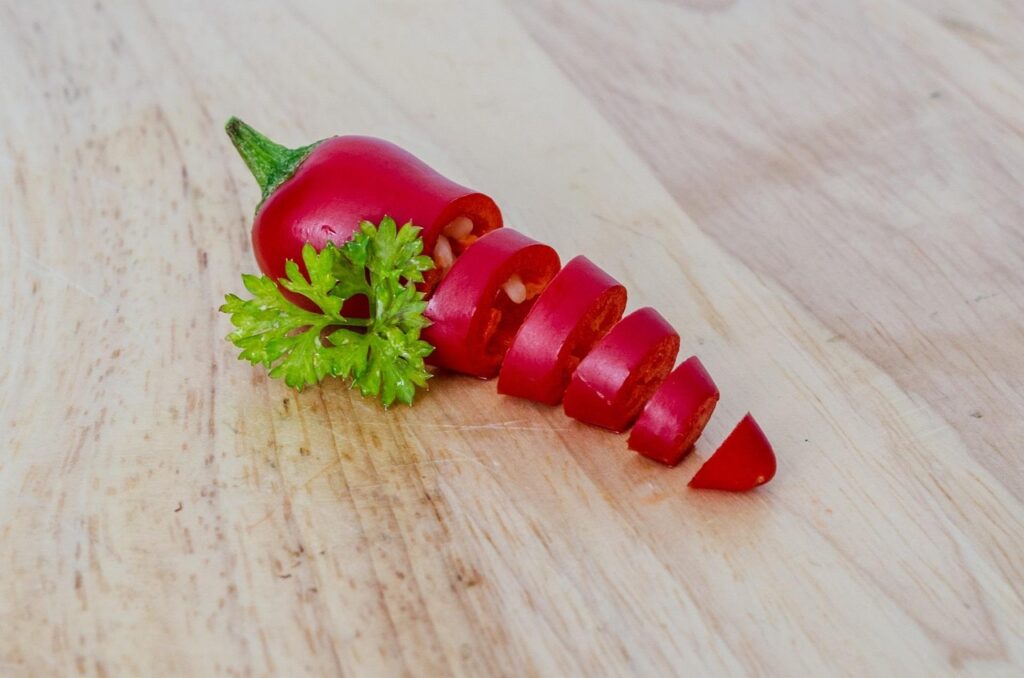
A Rich History of Chile Peppers
Chile peppers have a storied history that dates back thousands of years, profoundly influencing cuisines and cultures across the globe. Scientists have identified Bolivia as the “nuclear centre” of the Capsicum genus, from which all modern chile pepper varieties stem. In fact, archaeological evidence suggests that chiles were consumed in Ecuador over 6,100 years ago, with wild varieties appearing in the diet as early as 7500 B.C.E. This long-standing history positions chile peppers as one of the first cultivated crops, essential to prehistoric peoples from Peru to the Bahamas.
As they spread through the Americas, chile peppers cultivated by indigenous populations became staples, not only providing essential nourishment but also shaping culinary practices. The incorporation of these fiery fruits into a multitude of dishes marked a significant evolution in food preparation, enhancing flavours and nutrition.
The Voyage of Chile Peppers to Europe
The journey of chile peppers from the Americas to Europe began with the discovery of the New World by Christopher Columbus. Upon encountering chiles in the Caribbean, he erroneously dubbed them “peppers” due to their intense heat, reminiscent of black peppercorns. This misnomer has since persisted, leading to the title we use today.
In 1493, Spanish physician Diego Álvarez Chanca was one of the first to document the medicinal properties of chiles upon bringing them back to Spain. Their rapid adoption in Europe was just the beginning; chiles soon made their way to India, China, and Japan, where they were embraced with enthusiasm, weaving themselves into the fabric of various culinary traditions.
These fiery fruits transformed global cuisines, which saw dishes evolve dramatically with the infusion of heat. As they journeyed, different cultures adapted and embraced chiles, leading to the rich diversity of flavours and spice levels we savour today.
The Science Behind Chile Pepper Heat
The “heat” associated with chile peppers is scientifically referred to as pungency, primarily caused by a compound called capsaicin, along with related chemicals known as capsaicinoids. Each capsaicinoid produces distinct sensations in the mouth, varying from a gentle warmth to an intense burning, depending on the concentration.
Capsaicin is not merely a source of flavour; it is potent enough to induce pain and inflammation. This remarkable characteristic has allowed capsaicin to be harnessed in medicinal products like topical pain relievers and even pepper spray, highlighting its dual role as a culinary delight and a potent solution for health-related issues.
Some varieties, such as habaneros, exhibit such high levels of capsaicin that workers must wear gloves when handling them during harvesting. This safety measure protects them from the intense heat that can overwhelm even the most seasoned cooks.
The Scoville Scale: Measuring Chile Pepper Heat
To understand and quantify the heat of different chile pepper varieties, the Scoville Scale was developed in 1912 by American pharmacist Wilbur Scoville. This ingenious scale measures the pungency of peppers based on their capsaicin content. It quantifies the heat level in Scoville Heat Units (SHU), which indicates how many parts of sugar water are needed to dilute the heat of the pepper to the point where it is no longer noticeable.
For example, bell peppers, which are completely devoid of heat, score a 0 on the scale, while jalapeños typically range from 2,500 to 8,000 SHU. On the extreme end of the spectrum, varieties like the Carolina Reaper can reach over 2 million SHU, making them some of the hottest chiles in existence. This scale helps consumers select the right peppers for their taste preferences and cooking needs, ensuring an enjoyable culinary experience without unexpected surprises.
Surprising Health Benefits of Chile Peppers
Chile peppers are not only celebrated for their flavour and heat but also for their impressive nutritional profile. One of the most notable benefits is their high vitamin C content. In fact, all varieties of peppers, including the milder bell peppers, contain significant amounts of this essential vitamin, which is crucial for a healthy immune system and skin health.
Furthermore, the capsaicin found in hotter peppers has been linked to various health benefits, including pain relief, improved metabolism, and even potential anti-cancer properties. Numerous studies suggest that diets rich in spicy foods may lead to a lower risk of certain diseases, including heart disease.
While introducing chiles into your diet can enhance flavour, it’s also beneficial for your overall health. Incorporating these vibrant fruits into meals can create a delightful balance of taste and nutrition, proving that food can be both enjoyable and healthful.
Cultural Variations in Chile Naming and Usage
The terminology surrounding chiles varies across regions and languages, with the term “chilli” originating from Nahuatl, the language of the Aztecs. This reveals deep-rooted cultural connections to the fruit, as various locations have developed their unique names and culinary uses. For instance, in different English-speaking countries, spellings can range from “chili” in the United States to “chilli” in the United Kingdom and “chile” in many Latin American countries.
Each region has its signature dishes and preparations that highlight the distinctive characteristics of chiles. For example, Mexico is celebrated for its use of fresh chiles in salsas, while Indian cuisine often includes whole dried chiles for seasoning and flavouring.
This rich linguistic tapestry underscores the importance of chiles in culinary identity across cultures, solidifying their status as a global treasure that unites people through shared love for spice and flavour.
Chiles in Modern Culinary Trends
In contemporary cooking, chile peppers have ascended into the spotlight, becoming a major trend in both home kitchens and high-end restaurants. Their versatility inspires chefs and home cooks alike, heralding new methods of preparation and presentation. From sizzling stir-fries to smoky salsas, chiles add layers of complexity, often elevating simple dishes to gourmet experiences.
Moreover, the popularity of spicy food has led to a surge in spicy condiment production, with sauces ranging from mildly tangy to searingly hot, appealing to diverse palates. The rise of international cuisines in food culture has also played a critical role in introducing a wider array of chiles, as consumers seek adventures in flavour.
As more people embrace the rich tapestry of spices, the humble chile pepper has emerged as an essential ingredient, connecting culinary traditions while encouraging creativity and experimentation in the kitchen.
Safe Handling and Cooking with Hot Chile Peppers
When cooking with hot chiles, using precautions is crucial to ensure safe handling and enjoying the experience. Given the potency of capsaicin, cooking enthusiasts should wear gloves when cutting or deseeding hot varieties like habaneros or ghost peppers to avoid skin irritation. Additionally, it’s wise to wash hands thoroughly after handling these peppers, and avoid touching your face, especially your eyes, as the heat can linger and cause discomfort.
In terms of cooking, balancing the heat of chiles with complementary ingredients is key. Dairy products like sour cream or yogurt can effectively counteract spiciness, while acidic components such as lime juice or vinegar can brighten and enhance flavours. Understanding how to integrate chiles strategically into dishes ensures an enjoyable experience without overwhelming guests or family members with excessive heat.
This approach allows for experimentation with varying levels of spiciness, catering to personal preferences while elevating the overall dining experience. With a little understanding and care, chile peppers can become a cornerstone of delectable dishes that tantalise taste buds.
Popular Chile Varieties and Their Distinct Features
The world of chile peppers is vast, with numerous varieties each boasting unique flavour profiles and heat levels. Here are some popular chiles and their distinct features:
1. **Bell Peppers**: Mild and sweet, bell peppers lack heat and come in various colours, such as green, red, and yellow, making them versatile for salads, stir-fries, or raw snacking.
2. **Jalapeños**: One of the most commonly used chiles, jalapeños range from 2,500 to 8,000 SHU and can be used fresh, pickled, or smoked to create chipotle peppers, which add a rich, smoky flavour to dishes.
3. **Habaneros**: Known for their intense heat, habaneros are fruity with a floral aroma, scoring between 100,000 to 350,000 SHU. They are often used in salsas and sauces.
4. **Serranos**: Serranos are slightly hotter than jalapeños, ranging from 2,500 to 5,000 SHU, featuring a bright, crisp flavour that makes them ideal for fresh salsas or as a garnish.
5. **Ghost Peppers**: With their formidable heat, ghost peppers can reach over 1 million SHU. They are best used sparingly in sauces or dishes where intense heat is desired.
6. **Carolina Reaper**: Currently reigning as one of the hottest peppers in the world, the Carolina Reaper can exceed 2 million SHU, making it a formidable ingredient primarily reserved for the bravest of eaters.
7. **Poblano**: Known for their mild heat, poblano peppers are often used in dishes like chiles rellenos, where they are stuffed and baked, providing a rich, smoky depth to meals.
Every variety offers its own unique bouquet of flavours and heat, allowing chefs to create a diverse range of dishes. Understanding these nuances and experimenting with different chiles can unlock a world of culinary creativity and excitement.
Conclusion: Embracing the World of Chile Peppers
Chile peppers have woven their way through history, culture, and cuisine, evolving from ancient staples to essential ingredients in modern culinary traditions. Understanding the Scoville Scale and the science behind the heat allows enthusiasts to appreciate and navigate the diverse landscape of peppers available today.
With their documented health benefits, rich cultural significance, and ability to enhance flavours, chiles are undoubtedly a culinary treasure worth exploring. Whether you’re looking to add heat to your cooking or simply enjoy the myriad of flavours they offer, embracing the world of chile peppers promises delightful culinary adventures. As we continue to explore and innovate in our kitchens, let us celebrate these vibrant fruits that have captured hearts and taste buds across generations.
The Scoville Scale measures the heat of chile peppers based on their capsaicin content, expressed in Scoville Heat Units (SHU).
Heat is quantified by determining how many parts of sugar water are necessary to dilute the chile heat to a non-experienced sensation.
Chile peppers can be used in salsas, sauces, stir-fries, marinades, and many other dishes to enhance flavour and add heat.
Yes, chile peppers are high in vitamin C and may help boost metabolism, reduce inflammation, and provide pain relief due to capsaicin.
When handling hot chiles, it is advisable to wear gloves and avoid touching your face, especially your eyes, to prevent irritation from capsaicin.
Balancing the heat of chiles can be achieved by using dairy products, like yogurt, or acidic ingredients, like lime juice, to complement and enhance the dish.
Common types include jalapeños, habaneros, serranos, poblanos, and bell peppers, each offering different heat levels and flavours.