The Origins of Mozzarella Cheese
Mozzarella cheese has a rich and storied history that traces back to southern Italy. The origins of this beloved cheese can be found as early as the first century AD, with early records indicating that the Romans produced a similar cheese using sheep’s milk. This primitive cheese-making practice laid the groundwork for what would eventually evolve into the mozzarella we know and love today. The Romans were skilled in cheese production, and it is likely that their methods included pressing and shaping the curd, techniques that have persisted through the centuries. The evolution of mozzarella reflects Italy’s diverse culinary heritage and underscores the adaptability of cheese-making techniques over time.
Understanding Pasta Filata
Mozzarella falls under the category of ‘pasta filata’ cheeses—a term derived from Italian meaning ‘spun paste.’ This classification refers to the unique production method employed to create mozzarella, which involves kneading and stretching the cheese curds in hot water. This process not only gives mozzarella its characteristic texture but also enhances its flavour. Pasta filata cheeses are distinguished by their elasticity and ability to melt beautifully, making them a favourite in many dishes, particularly pizza. The artistry involved in the pasta filata technique showcases the skill of the cheese maker and plays a significant role in the quality of the final product.
Buffalo Milk: A Game Changer
While mozzarella was initially made from sheep’s milk, the 12th century heralded a significant shift with the introduction of buffalo milk. This change had profound implications for the cheese-making landscape in Italy, particularly in the Campania region. Buffalo milk, with its richer fat content and unique flavour profile, allowed for the production of a creamier and more luxurious mozzarella. This variety soon became synonymous with traditional Neapolitan cuisine, where it is an essential ingredient in numerous iconic dishes, including the famous Caprese salad and Margherita pizza. The transition to buffalo milk established a distinct product that continues to delight palates around the globe.
The Historical Significance of the 16th Century
The 16th century marked a pivotal moment for mozzarella, particularly noted in 1570 when the term ‘mozzarella’ first appeared in a cookbook authored by Bartolomeo Scappi. In this historical text, Scappi described mozzarella explicitly as cheese made from buffalo milk, showcasing its emerging popularity and culinary significance. This document not only sheds light on the cheese-making traditions of the time but also highlights the cultural importance of mozzarella in Italian cuisine. Scappi’s cookbook, serving as an authoritative source, helped to elevate mozzarella’s status from a regional delicacy to a cherished ingredient recognised and appreciated beyond Italy’s borders.
The Bourbon Royal Family and Buffalo Breeding
In the 18th century, the Bourbon royal family played a crucial role in the development of mozzarella cheese by significantly expanding buffalo breeding in the Campania region. The Bourbon monarchy recognised the economic potential of buffalo milk for cheese production and actively promoted its cultivation. As a result, the framework for mozzarella production was bolstered, leading to higher quality cheese output. This royal endorsement not only favoured mozzarella’s rise as a culinary staple but also stimulated local economies connected to dairy farming and cheese production. The time spent under Bourbon rule was critical in solidifying mozzarella’s place in both Italian culture and cuisine.
The 20th Century: A Cheese Revolution
Fast forward to the 20th century, a time when technological advancements began to reshape food production and distribution. The introduction of refrigeration technology changed the cheese landscape dramatically, facilitating the transportation of fresh mozzarella from Italy to various global markets without compromising its quality. With its newfound accessibility, mozzarella became a beloved ingredient across Europe and America, quickly ascending to the position of the most popular cheese in the United States and the second most beloved cheese worldwide. This decade marked a cheese revolution, ensuring that mozzarella’s creamy, stretchy goodness reached kitchens far and wide, transcending cultural and geographical boundaries.
The Production Process Today
Modern mozzarella is crafted using either traditional or industrial methods, each possessing unique characteristics. In traditional cheese-making, the process typically starts with high-quality buffalo or cow’s milk, which is pasteurised and then curdled with the addition of rennet. Once the curds form, they are cut and heated to release whey, followed by the pasta filata technique, where curds are kneaded and stretched until they reach their smooth consistency. Artisan producers continue to honour time-honoured practices, delivering small-batch mozzarella that showcases unique regional flavours and craftsmanship. Conversely, mass production methods focus on efficiency, providing the convenience of pre-packaged mozzarella to meet growing consumer demand.
Types of Mozzarella Cheese
Mozzarella comes in various forms, each catering to different preferences and culinary uses. The most commonly recognised types include fresh mozzarella, which is often sold in brine or whey and boasts a soft, moist texture; and low-moisture mozzarella, which is drier and preferred for cooking due to its excellent melting properties. There are also variations based on the milk used, such as buffalo mozzarella (Mozzarella di Bufala), which is prized for its rich flavour, and cow’s milk mozzarella, which is more widely available and utilised. Each type of mozzarella exudes its own unique flavour profile and texture, allowing home cooks and chefs alike to select the right cheese for their dishes.
Global Influence of Mozzarella
The popularity of mozzarella has transcended its Italian roots, cultivating a prominent place in global cuisine. It has become a staple ingredient not only in traditional Italian dishes but also in a myriad of international recipes. From pizzas and pasta dishes to salads and sandwiches, mozzarella’s versatility shines through as it pairs beautifully with a wide array of flavours. In particular, the rise of pizza culture around the world has cemented mozzarella’s status as an indispensable cheese. Variations across nations have led to creative interpretations of cheese-topped delights, with different culinary traditions adding their unique flair to the classic.
Health Benefits of Mozzarella
In addition to its culinary merits, mozzarella cheese offers several health benefits. As a dairy product, mozzarella is a good source of calcium, which is essential for maintaining strong bones and teeth. It also provides protein, which aids in muscle repair and growth, making it a beneficial addition to an active lifestyle. Current research suggests that mozzarella can be easier to digest for individuals who are lactose intolerant compared to other cheeses, thanks to its lower lactose content. Furthermore, mozzarella contains beneficial nutrients, including vitamins A and B12, as well as zinc and phosphorus. Incorporating mozzarella into a balanced diet can contribute to overall health and wellness.
Pairing Mozzarella with Other Ingredients
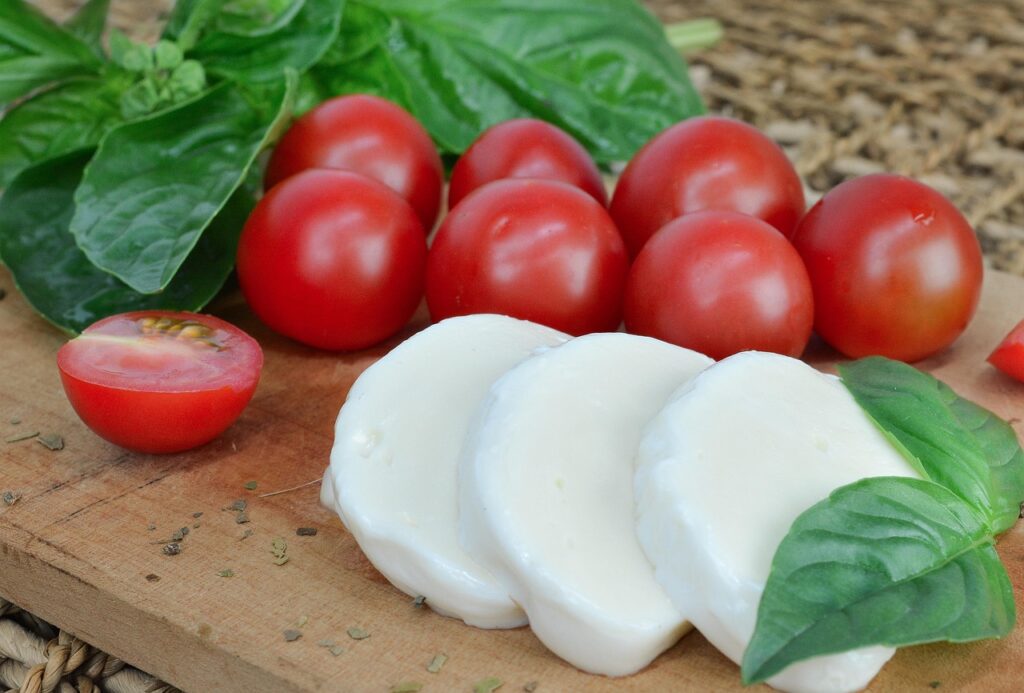
The delightful mildness of mozzarella makes it a versatile companion for various ingredients. It pairs exceptionally well with fresh herbs, particularly basil, lending an aromatic quality that enhances any dish. Traditional pairings include ripe tomatoes, where the sweetness of the fruit contrasts beautifully with mozzarella’s creaminess, creating the iconic Caprese salad. Balsamic vinegar can be drizzled over mozzarella for an added tang, while a simple sprinkle of sea salt can elevate the flavours further. Additionally, mozzarella harmonises well with cured meats, such as prosciutto, providing a delightful balance of textures and flavours that can delight the senses. Whether enjoyed fresh, melted, or baked, mozzarella’s adaptability makes it an essential ingredient in countless culinary traditions.
Conclusion: The Timeless Allure of Mozzarella
Mozzarella cheese, with its rich history dating back to ancient Roman times, remains an enduring favourite in kitchens around the world. Its evolution from a regional delicacy to a globally celebrated ingredient highlights the cultural significance of cheese-making and the enduring appeal of Italian cuisine. As mozzarella continues to win hearts with its versatility and delightful flavours, it prompts us to explore further afield and appreciate the many ways this delightful cheese can enhance our culinary experiences. Whether enjoyed in a traditional pizza, crafted into a fresh salad, or savoured on its own, mozzarella stands testament to the timeless allure of cheese and the artistry of Italian gastronomy.
Mozzarella cheese is traditionally made from buffalo milk, though cow’s milk is also common. The cheese undergoes a unique pasta filata process involving kneading and stretching.
Mozzarella production begins with curdling milk, then cutting the curds, heating them, and finally kneading and stretching the curds to achieve the desired texture.
Pasta filata is an Italian term meaning ‘spun paste,’ describing the method of kneading and stretching cheese curds in hot water to create elastic cheeses like mozzarella.
Mozzarella is commonly used in dishes such as pizza, Caprese salad, lasagna, and various pasta dishes due to its wonderful melting qualities and mild flavour.
Yes, mozzarella is a good source of calcium and protein. It is also easier to digest for some lactose-intolerant individuals and contains various vitamins and minerals beneficial to health.